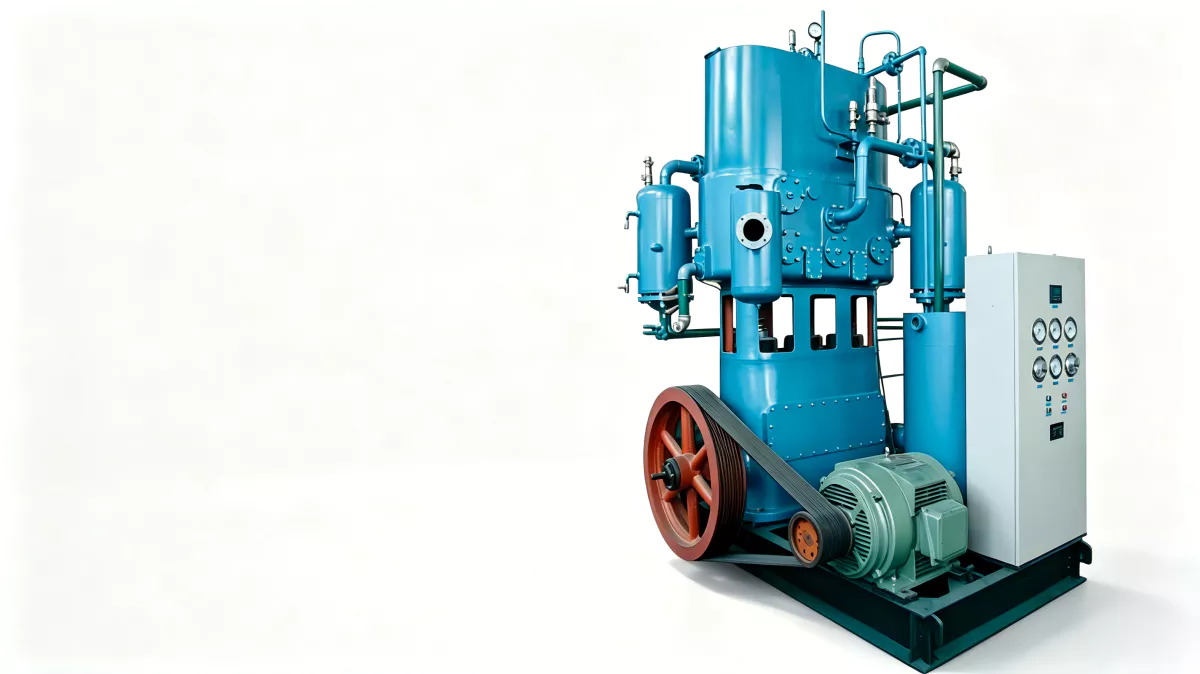
آکسیجن بوسٹر کمپریسر 0.1 MPa سے 32 MPa · 0.7 سے 150 m³/منٹ
PSA آکسیجن پلانٹس، سلنڈر فلنگ سٹیشنز، سٹیل ملز اور صنعتی گیس کے نظام کے لیے تیل سے پاک ریسیپروکیٹنگ کمپریسرز۔ API 618 پر بنایا گیا ہے۔ آپ کے داخلی حالات کے مطابق اپنی مرضی کے مطابق۔
ہماری آکسیجن کمپریسر سیریز
ہر دباؤ کی ضرورت کے لیے آکسیجن کمپریسرز کو بدلنا — کم دباؤ والے ہوا سے علیحدگی کے آؤٹ پٹ سے لے کر ہائی پریشر سلنڈر بھرنے تک۔ تمام سیریز ایک آئل فری کمپریشن پلیٹ فارم کا اشتراک کرتی ہیں اور آپ کے مخصوص داخلی حالات کے مطابق سائز کی جاتی ہیں۔
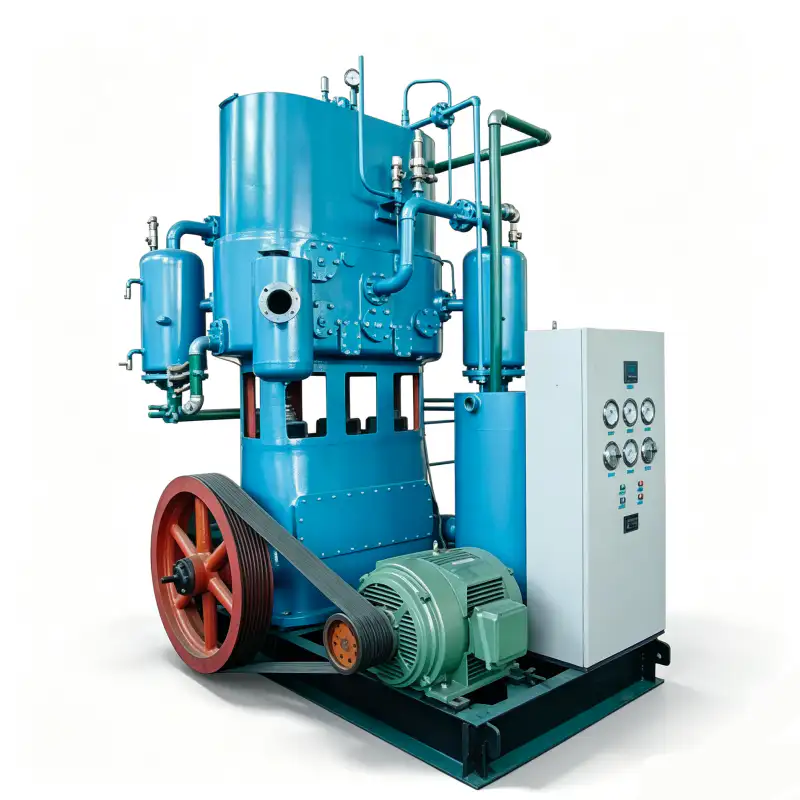
PSA یا بخارات میں مائع آکسیجن کو سلنڈر بھرنے کے دباؤ کو بڑھانے کے لیے تیل سے پاک ریسیپروکیٹنگ کمپریسرز۔ کم خارج ہونے والے درجہ حرارت کے لئے انٹر کولنگ کے ساتھ ملٹی اسٹیج کمپریشن۔ شور کی سطح 75 ڈی بی سے نیچے۔ صرف سالانہ چکنائی کا اطلاق - تیل میں کوئی تبدیلی نہیں، کوئی آئل فلٹر نہیں۔
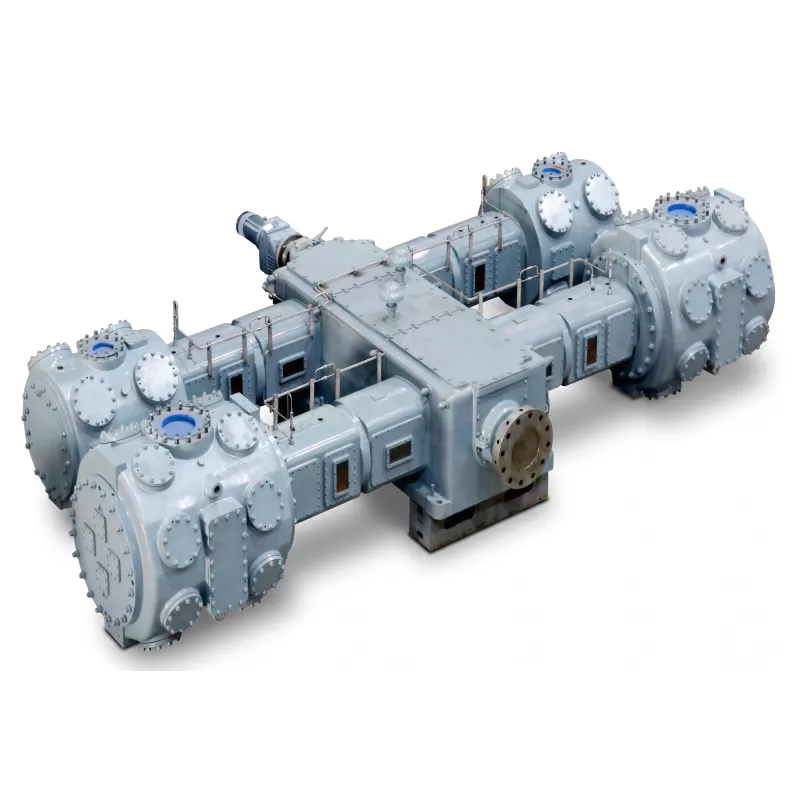
سٹیل ملز، شیشے کی بھٹیوں اور بڑے پیمانے پر کیمیائی آکسیجن پائپ لائنوں کے لیے۔ 55 کلو واٹ سے 1,200 کلو واٹ پر محیط تین مرحلے اور چار مراحل کی ترتیب۔ توسیع شدہ اوور ہال وقفوں کے لیے کم رفتار ڈرائیو کے ساتھ مسلسل 24 گھنٹے آپریشن کے لیے ڈیزائن کیا گیا ہے۔
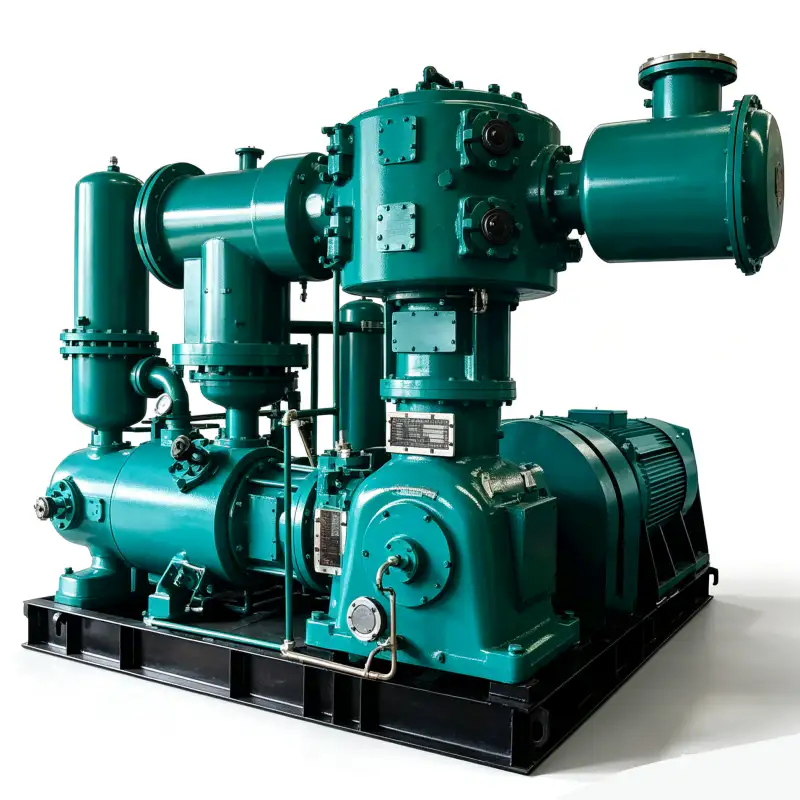
لیزر کٹنگ آکسیجن سپلائی، گلاس آکسی ایندھن دہن، گندے پانی کی آکسیجنیشن اور PSA ڈسٹری بیوشن پائپ لائنوں کے لیے موزوں ہے جن کے لیے 10-25 بار ڈلیوری پریشر کی ضرورت ہوتی ہے۔ دو مرحلے کا کمپریشن۔ ان پلانٹ کی تنصیب کے لیے کومپیکٹ فوٹ پرنٹ۔
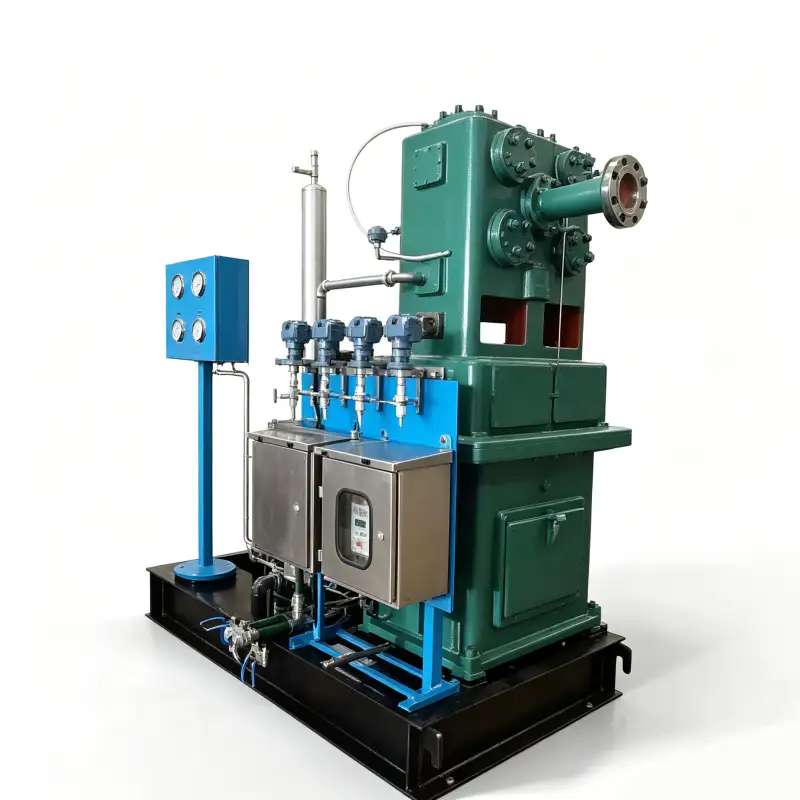
ایئر سیپریشن یونٹ آکسیجن آؤٹ پٹ اور PSA پلانٹ کی 2-8 بار پر تقسیم کے لیے پرائمری سٹیج کمپریسر۔ سنگل اسٹیج اور دو اسٹیج کنفیگریشنز۔ پاور رینج 11 kW سے 1,200 kW، ہمارے پورٹ فولیو میں سب سے زیادہ بہاؤ کی حد کو کور کرتی ہے۔
بڑے ایئر سیپریشن یونٹس اور ای پی سی پروجیکٹس کے لیے انجینئرنگ گریڈ بوسٹر۔ سکڈ ماونٹڈ پیکجز دستیاب ہیں۔ API 618 کے مطابق۔ حسب ضرورت انلیٹ پریشر کو قبول کیا گیا — بشمول 0.17 MPa یا اس سے زیادہ پر پہلے سے دباؤ والی آکسیجن لائن سے بڑھانا۔
ہماری آکسیجن سلنڈر فلنگ سیریز جیسا انجینئرنگ پلیٹ فارم۔ نائٹروجن (N₂) اور ہائیڈروجن (H₂) سلنڈر 150 بار یا 165 بار میں بھرنے کے لیے دستیاب ہے۔ بھر میں تیل سے پاک چکنا۔ گیس کی پاکیزگی کے لیے اہم ایپلی کیشنز کے لیے تیل کی آلودگی کا کوئی خطرہ نہیں۔
اپنا کمپریسر تلاش کریں۔
اپنی گیس، درخواست اور مطلوبہ بہاؤ کی شرح منتخب کریں۔ ہماری انتخابی منطق آپ کی تصریح کے لیے صحیح پروڈکٹ کے زمرے اور ماڈل رینج کی نشاندہی کرے گی۔
چھ کلیدی شعبوں میں بھروسہ مند
آکسیجن کمپریشن کی ضروریات صنعتوں کے درمیان نمایاں طور پر مختلف ہوتی ہیں۔ ہر ایپلیکیشن میں داخلے کی الگ شرائط، مطلوبہ آؤٹ لیٹ پریشر اور ڈیوٹی سائیکل کے مطالبات ہوتے ہیں۔ دریافت کریں۔ مکمل درخواست گائیڈ یہ دیکھنے کے لیے کہ ہمارے کمپریسرز آپ کے شعبے کے لیے کیسے مخصوص کیے گئے ہیں۔
PSA آکسیجن جنریٹر عام طور پر 4-6 بار پر آؤٹ پٹ کرتے ہیں۔ ہمارے تیل سے پاک بوسٹر کمپریسرز سلنڈر بھرنے کے لیے اسے 150-165 بار تک بڑھاتے ہیں، ہسپتالوں اور صحت کی دیکھ بھال کی سہولیات کو طبی گیس کی مناسب فراہمی کو یقینی بناتے ہیں۔
کنورٹر سٹیل میکنگ، بلاسٹ فرنس آکسیجن کی افزودگی اور دھاتی ہیٹ ٹریٹمنٹ 30-35 بار پر قابل اعتماد ہائی پریشر آکسیجن اور 100 m³/منٹ تک بہاؤ کی شرح کا مطالبہ کرتے ہیں۔ DW اور 4MW سیریز سب سے بڑے صنعتی بوجھ کو سنبھالتی ہیں۔
شیشے کی بھٹیوں میں آکسی ایندھن کا دہن شعلے کے درجہ حرارت کو بہتر بناتا ہے، ایندھن کی کھپت کو 30% تک کم کرتا ہے، اور NOx کے اخراج کو کم کرتا ہے۔ ایک مسلسل ڈیوٹی سائیکل پر 10-16 بار پر درمیانے دباؤ والے آکسیجن کی فراہمی۔
گیس ڈسٹری بیوٹرز اور فلنگ اسٹیشنوں کو چوبیس گھنٹے موثر اور محفوظ طریقے سے آکسیجن، نائٹروجن اور ہائیڈروجن سلنڈر بھرنے کے لیے مسلسل ہائی پریشر آؤٹ پٹ کی ضرورت ہوتی ہے۔ کم دیکھ بھال اوور ہیڈ منافع کے لیے اہم ہے۔
ہائی ڈینسٹی ری سرکولیٹنگ ایکوا کلچر سسٹم (RAS) کا انحصار مسلسل، قابل اعتماد آکسیجن کی فراہمی پر ہے۔ ہمارے کم پریشر بوسٹرز کے ساتھ آن سائٹ PSA جنریشن سلنڈر کی ترسیل پر انحصار کو ختم کرتی ہے۔
آکسیڈیشن ری ایکٹرز، جزوی آکسیڈیشن یونٹس اور فضلہ گیس کے علاج کے عمل کو اپنی مرضی کے مطابق بہاؤ کی شرح پر مستحکم درمیانے درجے سے ہائی پریشر آکسیجن کی ضرورت ہوتی ہے۔ API 618 ڈیزائن خطرناک علاقے کی تنصیب کے لیے دستیاب ہیں۔
کیوں تیل سے پاک باہمی ٹیکنالوجی
تکنیکی فوائد جو آکسیجن ایپلی کیشنز کے لیے اہمیت رکھتے ہیں — جہاں چکنا کرنے والا آلودگی کوئی تکلیف نہیں ہے، یہ ایک حفاظتی خطرہ ہے۔ ہمارے پر مکمل تکنیکی پس منظر دریافت کریں۔ کمپنی اور مینوفیکچرنگ صفحہ.
سلنڈر بورز کمپریشن کے پورے عمل میں تیل سے پاک ہوتے ہیں۔ بیرونی بیئرنگ پوائنٹس پر ہر سال صرف ایک چکنائی کی درخواست کی ضرورت ہے۔ آؤٹ پٹ آکسیجن طبی اور صنعتی ایپلی کیشنز کے لیے ISO 8573-1 طہارت کے تقاضوں کو پورا کرتی ہے — کسی نیچے کی دھارے میں آنے والے تیل کو کولسر کی ضرورت نہیں ہے۔
اوسط آپریٹنگ اسپیڈ 260–350 RPM — 3,000+ RPM پر چلنے والے آئل انجیکشن والے اسکرو کمپریسرز سے نمایاں طور پر کم۔ مکینیکل لباس میں کمی کا مطلب ZW، LW اور DW سیریز پر 25,000+ چلانے کے اوقات کے درمیان اوور ہالز تک بڑھ جاتا ہے۔ کم غیر منصوبہ بند شٹ ڈاؤن، زندگی بھر کی دیکھ بھال کی کم لاگت۔
دو مرحلے سے پانچ مرحلے کی ترتیب 0.20 MPa (کم پریشر کی فراہمی) سے 32 MPa (ہائی پریشر سلنڈر فلنگ) تک آؤٹ لیٹ پریشر کا احاطہ کرتی ہے، یہ سب ایک ہی پروڈکٹ پلیٹ فارم کے اندر ہے۔ اپنی سہولت میں مختلف دباؤ کی ضروریات کے لیے متعدد سپلائرز سے ذریعہ لینے کی ضرورت نہیں ہے۔
ہر یونٹ ان لیٹ لو پریشر شٹ ڈاؤن، آؤٹ لیٹ اوور پریشر ریلیف والو، انٹر اسٹیج ٹمپریچر الارم اور آٹومیٹک اسٹاپ سے لیس ہے۔ درخواست پر دستیاب PLC کنٹرول اور ریموٹ مانیٹرنگ کی اہلیت کے ساتھ 24 گھنٹے مسلسل بغیر توجہ کے آپریشن کے لیے ڈیزائن کیا گیا ہے۔
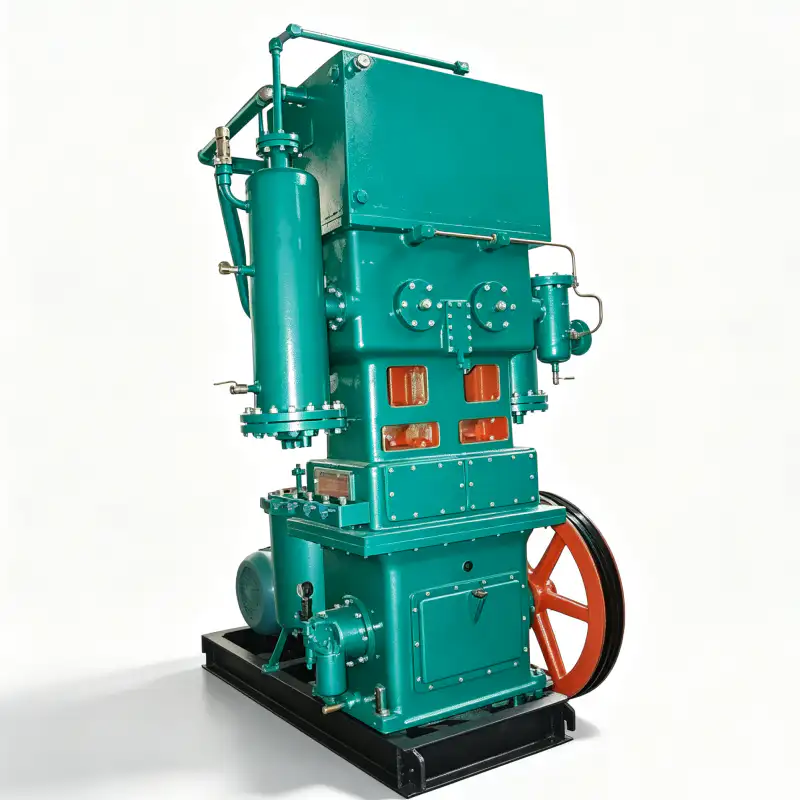
مینوفیکچرنگ کی صلاحیت اور سرٹیفیکیشن
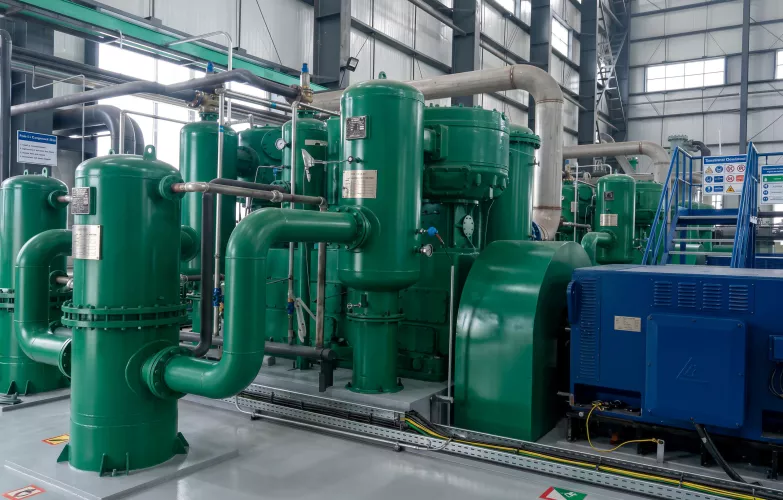
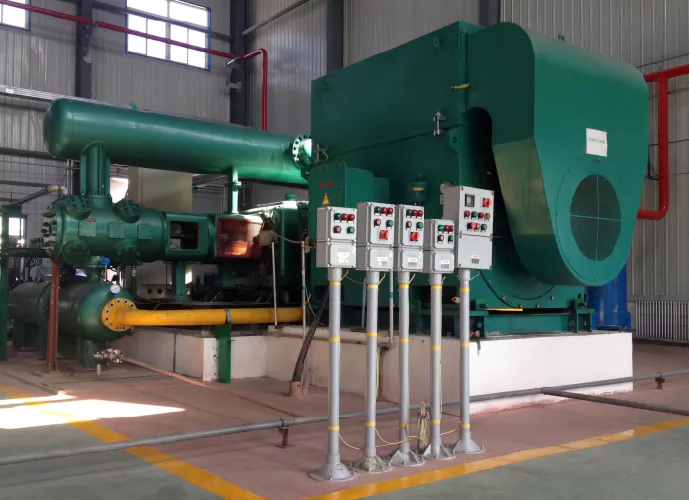
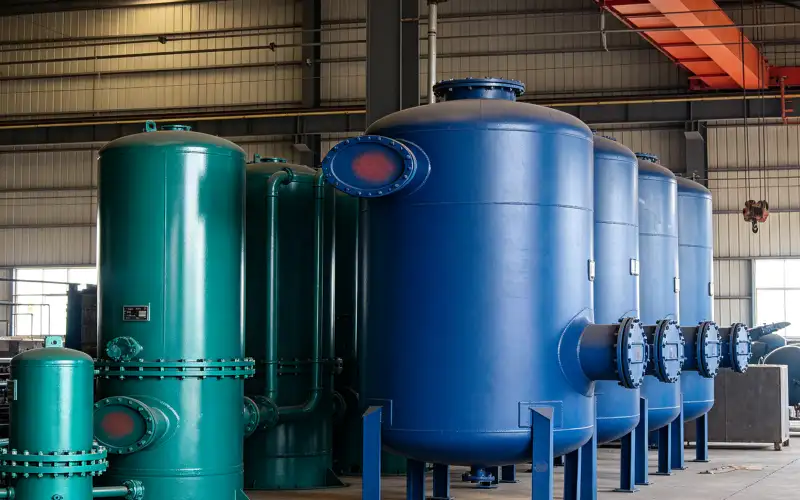
صنعتی گیس کمپریسر مینوفیکچرنگ کی دہائیوں کی مدد سے، اندرون خانہ کاسٹنگ، مشیننگ اور پریشر ٹیسٹنگ کے ساتھ مکمل طور پر لیس پیداواری سہولت چلا رہی ہے۔ ہر یونٹ شپمنٹ سے پہلے ہائیڈرو سٹیٹک پریشر ٹیسٹ اور کارکردگی کی تصدیق سے گزرتا ہے۔
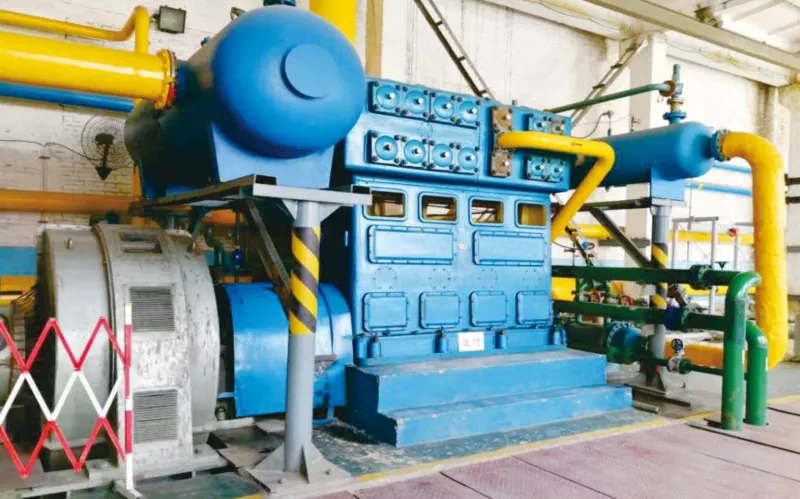
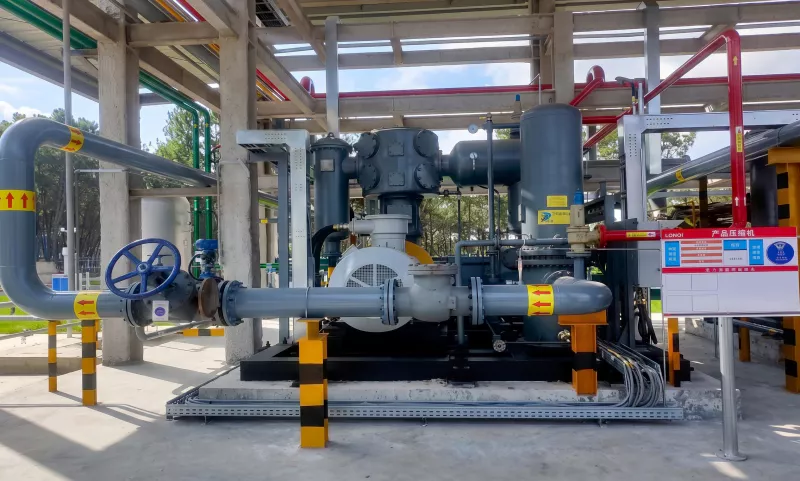
سسٹم سرٹیفیکیشن
گیس کی صنعت کی خدمات کے لیے
برآمدی منڈیوں کے لیے
ایسوسی ایشن ممبر
آکسیجن بوسٹر کمپریسرز: ایک وضاحتی رہنما
انجینئرز اور پروکیورمنٹ مینیجرز کو آکسیجن بوسٹر کمپریسر کی وضاحت کرنے سے پہلے کیا جاننے کی ضرورت ہے - ٹیکنالوجی کے انتخاب سے لے کر پریشر اسٹیج کی ترتیب تک۔
آکسیجن بوسٹر کمپریسر کیا ہے؟
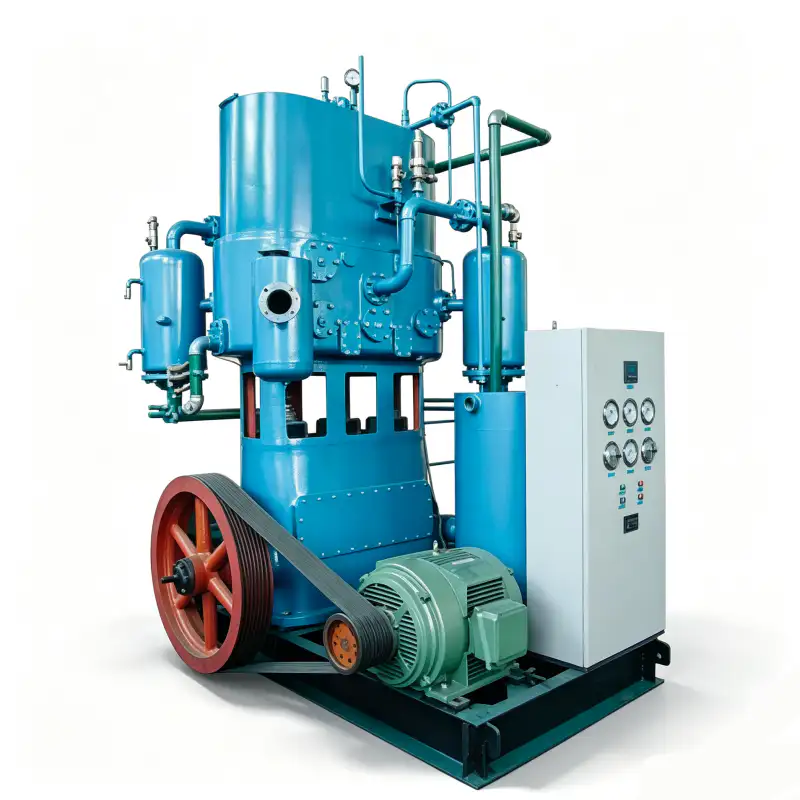
ایک آکسیجن بوسٹر کمپریسر ایک باہمی مشین ہے جو آکسیجن سٹریم کے دباؤ کو کم انلیٹ پریشر سے لے کر نیچے کی دھارے کے عمل یا اسٹوریج سسٹم کے لیے ضروری آؤٹ لیٹ پریشر تک بڑھاتی ہے۔ گیس کا ذریعہ - عام طور پر ایک PSA آکسیجن جنریٹر، ایک VPSA یونٹ، یا مائع آکسیجن ویپورائزر - پہلے ہی دباؤ کا ابتدائی کام کر چکا ہے۔ بوسٹر اس گیس کو لیتا ہے اور اسے مزید بڑھاتا ہے۔
سب سے عام ایپلی کیشنز آکسیجن سلنڈر فلنگ اسٹیشنز ہیں (0.1–0.5 MPa inlet to 15.0–16.5 MPa سلنڈر پریشر)؛ اسٹیل بنانے والی آکسیجن پائپ لائنز (3.0–3.5 MPa)؛ اور شیشے کی بھٹیوں کے لیے آکسی ایندھن کے دہن کے نظام (1.0–1.6 MPa)۔
کمپریسر کو تیل سے پاک کیوں ہونا چاہیے۔
کمپریسڈ آکسیجن ہائیڈرو کاربن چکنا کرنے والے مادوں کے ساتھ انتہائی جوش و خروش کے ساتھ رد عمل ظاہر کرتی ہے۔ کمپریشن سلنڈر کے اندر بلند دباؤ اور درجہ حرارت پر، معدنی تیل کی تھوڑی مقدار بھی بے ساختہ بھڑک سکتی ہے۔ آئل فری ریسیپروکیٹنگ کمپریسرز کمپریشن زون سے لبریکینٹ کو مکمل طور پر ختم کر دیتے ہیں — پسٹن PTFE-کمپاؤنڈ رائیڈر رِنگز پر چلتے ہیں۔ سلنڈر کی دیواروں کو چکنا کرنے کی ضرورت نہیں ہے۔ آؤٹ پٹ ISO 8573-1 کلاس 0 تیل کی ضروریات کو بغیر کسی بہاو والے فلٹر کے پورا کرتا ہے۔
پریشر اسٹیج کی ترتیب
ہر کمپریشن مرحلہ تقریباً 3.5–4:1 کے تناسب سے زیادہ نہیں ہونا چاہیے۔ آکسیجن کے لیے (مخصوص حرارت کا تناسب گاما ≈ 1.4)، یہ عام صنعتی خدمات میں فی مرحلہ درجہ حرارت میں اضافے کو 160°C سے نیچے تک محدود کرتا ہے۔
| مراحل | آؤٹ لیٹ پریشر | عام درخواست |
|---|---|---|
| 2-مرحلہ | 0.20 - 0.80 MPa | PSA کی تقسیم، ASU آؤٹ پٹ |
| 3-مرحلہ | 3.0 - 3.5 MPa | اسٹیل مل پائپ لائن، BOF کنورٹر |
| 4-مرحلہ | 10 - 15.0 ایم پی اے | سلنڈر بھرنا (بڑی گنجائش) |
| 5-مرحلہ | 15.0 - 16.5 ایم پی اے | سلنڈر بھرنا (ZW کمپیکٹ سیریز) |
18.5 کلو واٹ سے اوپر کے تمام ماڈلز پر ہر سٹیج کے درمیان نمی کو الگ کرنے والے انٹر سٹیج واٹر کولڈ ہیٹ ایکسچینجرز لگائے گئے ہیں۔ کنڈینسیٹ ڈسچارج خودکار ہے۔
آکسیجن بوسٹر کمپریسر کی وضاحت کیسے کریں۔
پوچھ گچھ کرتے وقت، درج ذیل معلومات فراہم کرنے سے ہمیں ایک مکمل تکنیکی سفارش واپس کرنے کی اجازت ملتی ہے:
- گیس کی قسم اور پاکیزگی (طبی یا صنعتی؛ ٹریس آلودگی)
- انلیٹ پریشر - کم سے کم اور زیادہ سے زیادہ (PSA آؤٹ پٹ تخلیق نو کے چکر کے ساتھ مختلف ہوتا ہے)
- مطلوبہ آؤٹ لیٹ پریشر — مستحکم حالت اور چوٹی
- داخلی حالات میں بہاؤ کی شرح Nm³/h یا m³/min میں (واضح طور پر بیان کریں)
- ڈیوٹی سائیکل: مسلسل 24 گھنٹے، وقفے وقفے سے یا موسمی
- کولنگ میڈیم: پانی کا درجہ حرارت/دباؤ یا ایئر ٹھنڈا ترجیح
- بجلی کی فراہمی: وولٹیج، فریکوئنسی، دستیاب فالٹ کرنٹ
- تنصیب: انڈور/آؤٹ ڈور، اونچائی، محیط درجہ حرارت کی حد
- قابل اطلاق معیارات: API 618، مقامی پریشر برتن کوڈ، علاقے کی درجہ بندی
PSA انٹیگریشن - کلیدی غور
PSA اور بوسٹر کے درمیان بفر ریسیور کی سختی سے سفارش کی جاتی ہے۔ ریسیور کا سائز کم از کم 10-15 منٹ کے کمپریسر کے بہاؤ کی گنجائش رکھیں۔ اگر PSA آؤٹ پٹ کم سے کم محفوظ انلیٹ پریشر سے نیچے آجاتا ہے تو بوسٹر انلیٹ کم پریشر کٹ آف مشین کی حفاظت کرتا ہے۔
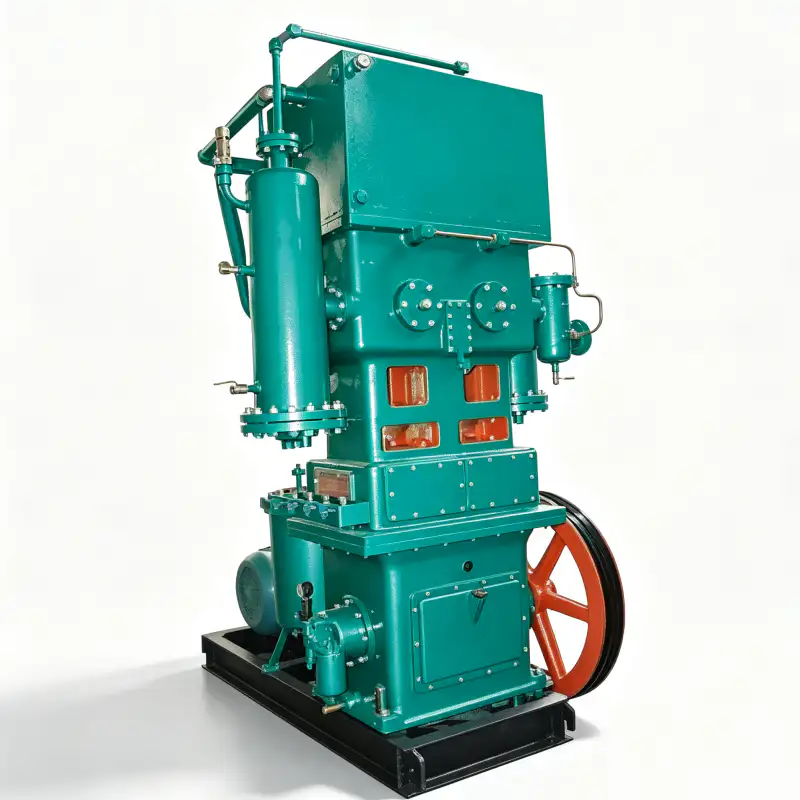
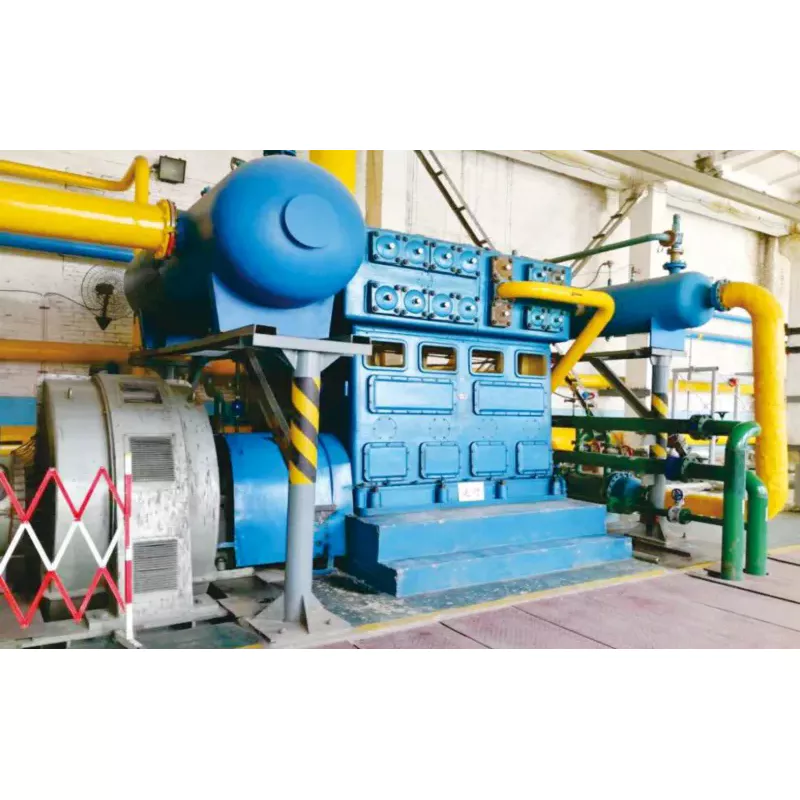
150 بار بمقابلہ 165 بار اور ای پی سی پروکیورمنٹ
سلنڈر فلنگ پریشر سلیکشن
یورپ اور ایشیا میں T-قسم کے صنعتی سلنڈروں کے لیے سب سے عام فل پریشر 15°C پر 150 بار (15.0 MPa) ہے۔ کچھ بازاروں میں، فی سلنڈر گیس کے مواد کو زیادہ سے زیادہ کرنے کے لیے 165 بار (16.5 MPa) کو ترجیح دی جاتی ہے۔ ہماری ZW سیریز دونوں کا احاطہ کرتی ہے: /150 اور /165 لاحقہ مختلف حالتیں ایک ہی فریم کا اشتراک کرتی ہیں — صرف مرحلے کے تناسب اور آخری مرحلے کے ڈیزائن میں فرق ہے۔
بڑے صنعتی منصوبے اور ای پی سی پروکیورمنٹ
ایئر سیپریشن یونٹ انٹیگریشن اور اسٹیل مل آکسیجن سپلائی کے لیے، کمپریسر کو API 618 پانچویں ایڈیشن کے پراسیس ڈیٹا شیٹ کے خلاف مخصوص کیا گیا ہے۔ ہم مکمل طور پر اسمبلڈ سکڈ ماونٹڈ پیکجز فراہم کرتے ہیں — کمپریسر، موٹر، انٹر اسٹیج کولر، سیپریٹرز، انسٹرومینٹیشن، کنٹرول پینل اور ایک ہی بیس پلیٹ پر باہم منسلک پائپنگ — سائٹ کی تنصیب کے وقت کو کم سے کم کرتے ہوئے۔ ATEX اور دھماکہ پروف کنفیگریشن دستیاب ہے۔
دیکھ بھال اور ملکیت کی کل لاگت
زندگی بھر کی لاگت توانائی (60–80%) اور دیکھ بھال (15–30%) پر غالب ہے۔ تیل سے پاک باہمی ڈیزائن میں تیل کی کوئی تبدیلی نہیں ہوتی، کوئی آئل فلٹر عناصر نہیں ہوتے، کوئی الگ کارٹریجز نہیں ہوتے۔ بنیادی استعمال کی اشیاء پسٹن کے حلقے (15,000–25,000 گھنٹے کا وقفہ) اور والو پلیٹیں (8,000–12,000 گھنٹے) ہیں۔ دریافت کریں۔ مکمل مصنوعات کی فہرست یا ہم سے رابطہ کریں تقابلی تجزیہ کے لیے
عام سوالات
ایک آکسیجن بوسٹر کمپریسر خاص طور پر خالص آکسیجن سروس کے لیے ڈیزائن کیا گیا ہے۔ اہم فرق یہ ہیں: (1) تیل سے پاک کمپریشن - چکنا کرنے والا تیل اور آکسیجن دہن کے خطرے کی وجہ سے دباؤ میں مطابقت نہیں رکھتے؛ (2) آکسیجن سروس کے ساتھ ہم آہنگ مواد کا انتخاب (اعلی ارتکاز پر ایلومینیم کے مرکب، مخصوص پلاسٹک اور تانبے کے مرکب سے پرہیز کرنا)؛ (3) اندرونی سطح کی صفائی کے معیارات - تمام گیلی سطحوں کو کم کیا جاتا ہے اور اسمبلی سے پہلے آکسیجن سروس کے معیار کے مطابق صاف کیا جاتا ہے۔ اور (4) دباؤ اور درجہ حرارت کے لیے قدامت پسند ڈیزائن مارجن۔ ایک معیاری ایئر کمپریسر کو آکسیجن سروس کے لیے محفوظ طریقے سے دوبارہ استعمال نہیں کیا جا سکتا۔
جی ہاں ہماری ZW، LW اور DW سیریز اوپر کی طرف سے ہوا کے دباؤ کو قبول کرتی ہیں (تقریباً 0.1 MPa مطلق)۔ PSA آکسیجن جنریٹر عام طور پر 0.3–0.6 MPa پر آؤٹ پٹ کرتے ہیں۔ ہم PSA اور بوسٹر کے درمیان ایک بفر ریسیور لگانے کی تجویز کرتے ہیں تاکہ PSA کی تخلیق نو کے دوران دباؤ کے اتار چڑھاؤ کو ہموار کیا جا سکے۔ بوسٹر انلیٹ کم پریشر شٹ ڈاؤن اس بات کو یقینی بناتا ہے کہ اگر PSA آؤٹ پٹ کم سے کم قابل قبول انلیٹ پریشر سے نیچے آجائے تو مشین محفوظ طریقے سے رک جائے۔
ہمارے کمپریسرز API 618 (پیٹرولیم، کیمیکل اور گیس انڈسٹری کی خدمات کے لیے Reciprocating Compressors) کے لیے ڈیزائن اور تیار کیے گئے ہیں۔ ISO 9001 کوالٹی مینجمنٹ سرٹیفیکیشن ہماری مینوفیکچرنگ سہولت کے لیے رکھی گئی ہے۔ سی ای مارکنگ یورپی منڈیوں کے لیے دستیاب ہے۔ پریشر برتن کے اجزاء تیار کیے جاتے ہیں اور متعلقہ قومی پریشر برتن کے معیارات کے مطابق جانچے جاتے ہیں۔ ایسے پروجیکٹس کے لیے جن کے لیے مخصوص علاقائی سرٹیفیکیشن کی ضرورت ہوتی ہے، براہ کرم آرڈر پلیسمنٹ سے پہلے ہماری انجینئرنگ ٹیم کے ساتھ اپنی ضروریات پر بات کریں۔
ہماری ZW، LW اور DW سیریز پر معمول کی دیکھ بھال ڈیزائن کے لحاظ سے کم سے کم ہے۔ بیرونی بیئرنگ چکنا کرنے کے لیے ہر سال ایک چکنائی کی ضرورت ہوتی ہے۔ والو پلیٹیں اور پسٹن کی انگوٹھی بنیادی پہننے والے اجزاء ہیں۔ معائنے کے وقفے کام کے اوقات اور گیس کے حالات پر منحصر ہوتے ہیں لیکن عام طور پر والو کے معائنے کے لیے 8,000–12,000 آپریٹنگ گھنٹے اور پسٹن کی انگوٹھی کی تبدیلی کے لیے 15,000–25,000 گھنٹے کی حد میں آتے ہیں۔ تیل میں کوئی تبدیلی نہیں ہے، کوئی آئل فلٹر عناصر نہیں ہیں، اور کوئی آئل الگ کرنے والے کارتوس نہیں ہیں - آئل انجیکشن کمپریسرز پر پائی جانے والی سب سے زیادہ فریکوئنسی مینٹیننس آئٹمز کو ختم کرنا۔
جی ہاں بڑے صنعتی اور EPC منصوبوں کے لیے، ہم کمپریسر، ڈرائیو موٹر، انٹر اسٹیج کولر اور نمی کو الگ کرنے والے، پروسیس اور یوٹیلیٹی پائپنگ، آلات اور حفاظتی آلات، اور مقامی HMI کے ساتھ PLC پر مبنی کنٹرول پینل سمیت مکمل طور پر اسمبلڈ سکڈ ماونٹڈ پیکیج فراہم کرتے ہیں۔ پیکج فیکٹری سے جمع کیا جاتا ہے، پریشر ٹیسٹ کیا جاتا ہے اور شپمنٹ سے پہلے کارکردگی کا تجربہ کیا جاتا ہے، سائٹ کی تنصیب کے وقت کو کم سے کم کیا جاتا ہے۔ ATEX اور دھماکہ پروف کنفیگریشنز خطرناک ایریا کی درجہ بندی کے لیے دستیاب ہیں۔ تکنیکی اور تجارتی تجویز کے لیے اپنے پروجیکٹ ڈیٹا شیٹ کے ساتھ ہم سے رابطہ کریں۔
رابطے میں رہیں
ہمارے انجینئرز آپ کی آکسیجن کمپریشن کی ضروریات پر بات کرنے کے لیے تیار ہیں — داخل ہونے کے حالات، آؤٹ لیٹ پریشر، بہاؤ کی شرح، گیس کی پاکیزگی، معیارات کی تعمیل اور تنصیب کی کوئی خاص رکاوٹ۔
وضاحتیں، ماڈل کے انتخاب، انلیٹ/آؤٹ لیٹ پریشر میچنگ اور حسب ضرورت انجینئرنگ کی درخواستوں کے لیے۔ اپنی پروسیسنگ ڈیٹا شیٹ کا اشتراک کریں اور ہم تکنیکی سفارش کے ساتھ جواب دیں گے۔
[email protected]ہمیں اپنا مطلوبہ آؤٹ لیٹ پریشر، بہاؤ کی شرح، اندر جانے کے حالات اور گیس کی قسم بتائیں۔ ہم آپ کے پروجیکٹ کے مطابق ایک تفصیلی تکنیکی اور تجارتی تجویز تیار کریں گے۔ تمام پوچھ گچھ کو سختی سے رازدارانہ سمجھا جاتا ہے۔
انکوائری فارم کھولیں →ہم API 618 اور متعلقہ قومی معیار کے مطابق تیار کرتے ہیں۔ تمام کمپریسرز حسب ضرورت انلیٹ پریشر، آؤٹ لیٹ پریشر اور بہاؤ کی شرح کی ترتیب کے ساتھ دستیاب ہیں۔ EPC پروجیکٹس کے لیے اپنی مرضی کے سکڈ ماونٹڈ پیکجز دستیاب ہیں۔