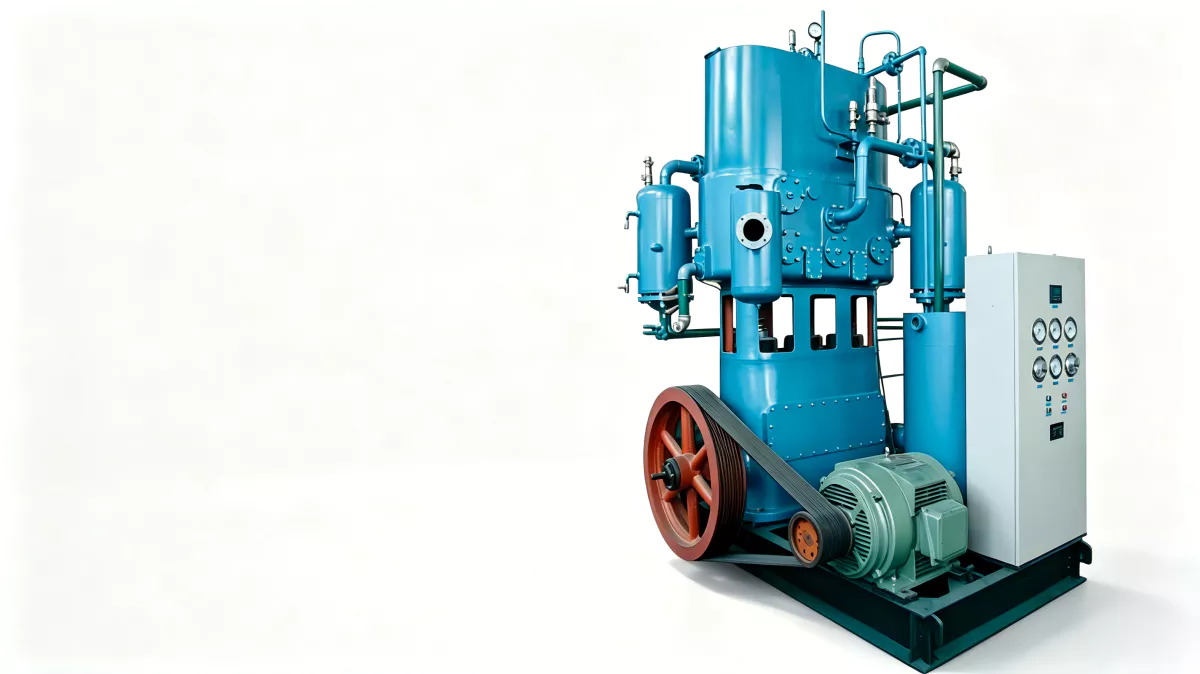
ضاغط معزز للأكسجين من 0.1 ميجا باسكال إلى 32 ميجا باسكال · من 0.7 إلى 150 متر مكعب/دقيقة
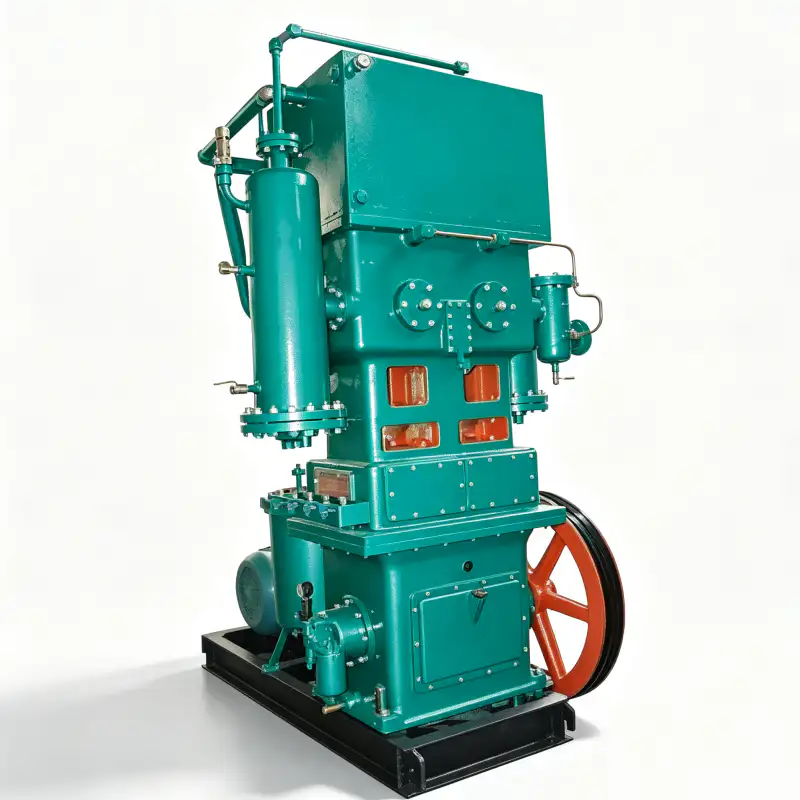
ضواغط ترددية خالية من الزيت لمحطات الأكسجين بتقنية امتزاز الضغط المتأرجح (PSA)، ومحطات تعبئة الأسطوانات، ومصانع الصلب، وأنظمة الغاز الصناعية. مصممة وفقًا لمعيار API 618. قابلة للتخصيص لتناسب ظروف مدخل الغاز لديك.
سلسلة ضواغط الأكسجين الخاصة بنا
ضواغط أكسجين ترددية تلبي جميع متطلبات الضغط، بدءًا من فصل الهواء بضغط منخفض وصولًا إلى تعبئة الأسطوانات بضغط عالٍ. تشترك جميع السلاسل في منصة ضغط خالية من الزيت، ويتم تحديد حجمها وفقًا لظروف المدخل الخاصة بك.
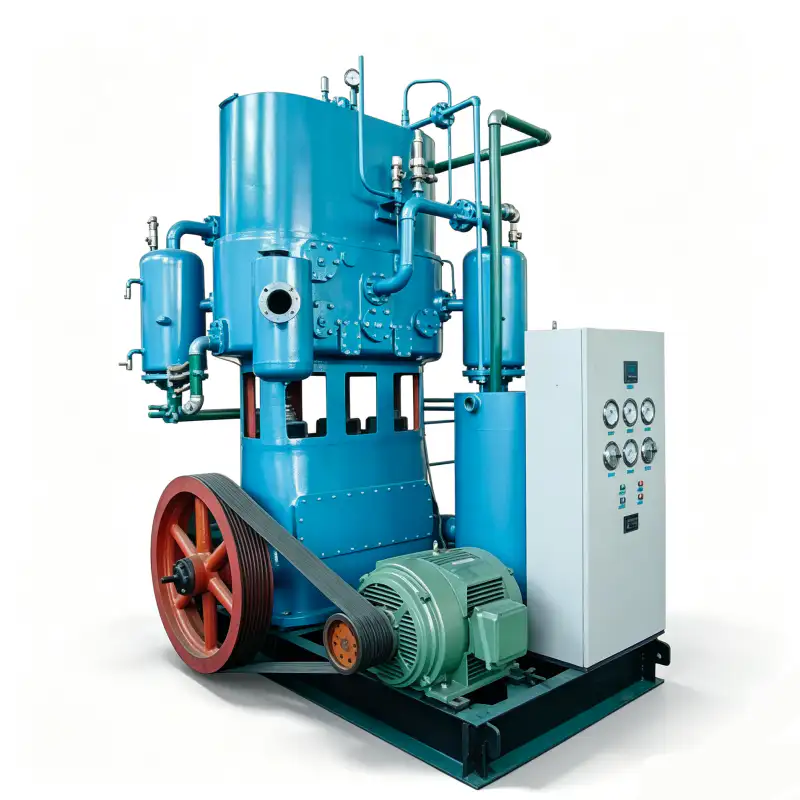
ضواغط ترددية خالية من الزيت لرفع ضغط امتزاز الضغط المتأرجح (PSA) أو الأكسجين السائل المُبخر إلى ضغط ملء الأسطوانات. ضغط متعدد المراحل مع تبريد داخلي لخفض درجة حرارة التفريغ. مستوى الضوضاء أقل من 75 ديسيبل. يتم تطبيق الشحم سنويًا فقط - لا حاجة لتغيير الزيت أو استخدام فلاتر الزيت.
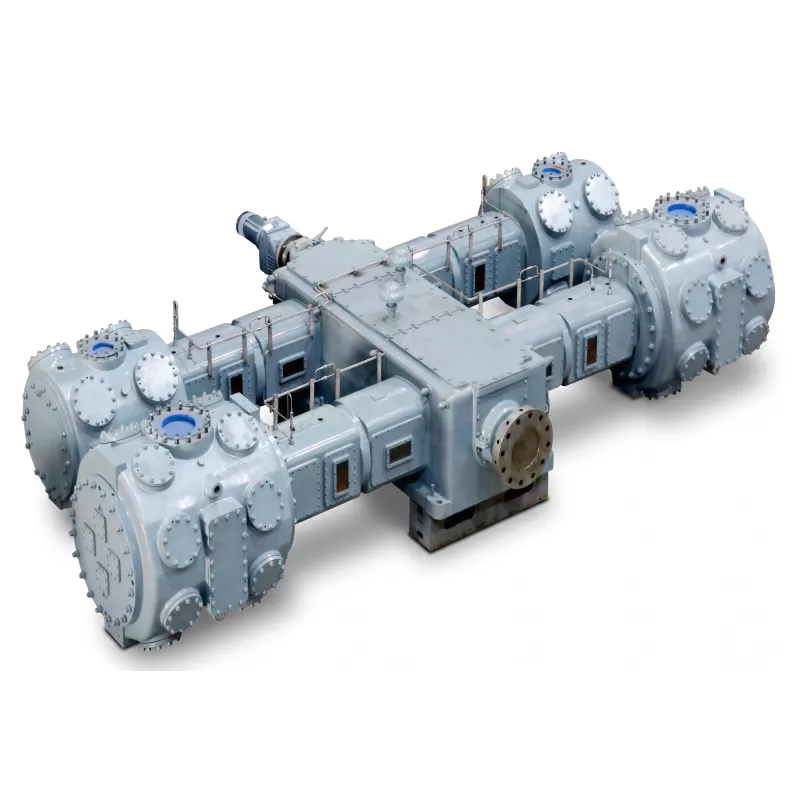
للمصانع الفولاذية وأفران الزجاج وخطوط أنابيب الأكسجين الكيميائي واسعة النطاق. تتوفر بتكوينات ثلاثية ورباعية المراحل تغطي نطاق قدرة من 55 كيلوواط إلى 1200 كيلوواط. مصممة للتشغيل المستمر على مدار 24 ساعة مع محرك منخفض السرعة لفترات صيانة ممتدة.
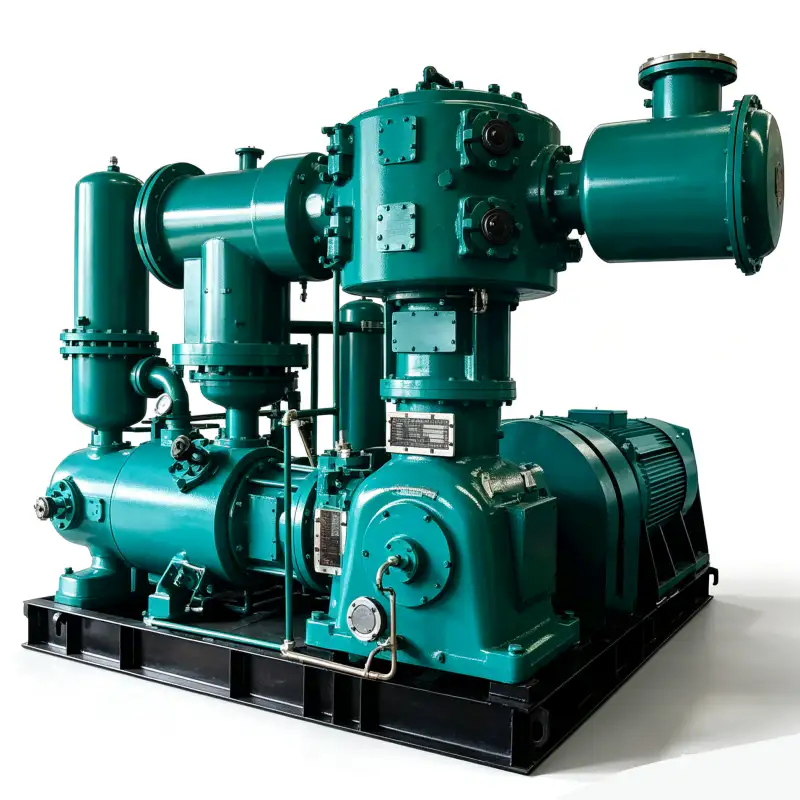
مناسب لإمداد الأكسجين في عمليات القطع بالليزر، واحتراق الأكسجين في الزجاج، وأكسجة مياه الصرف الصحي، وخطوط توزيع ضغط الامتزاز المتأرجح (PSA) التي تتطلب ضغط توصيل يتراوح بين 10 و25 بار. ضغط ثنائي المراحل. تصميم صغير الحجم مناسب للتركيب داخل المصنع.
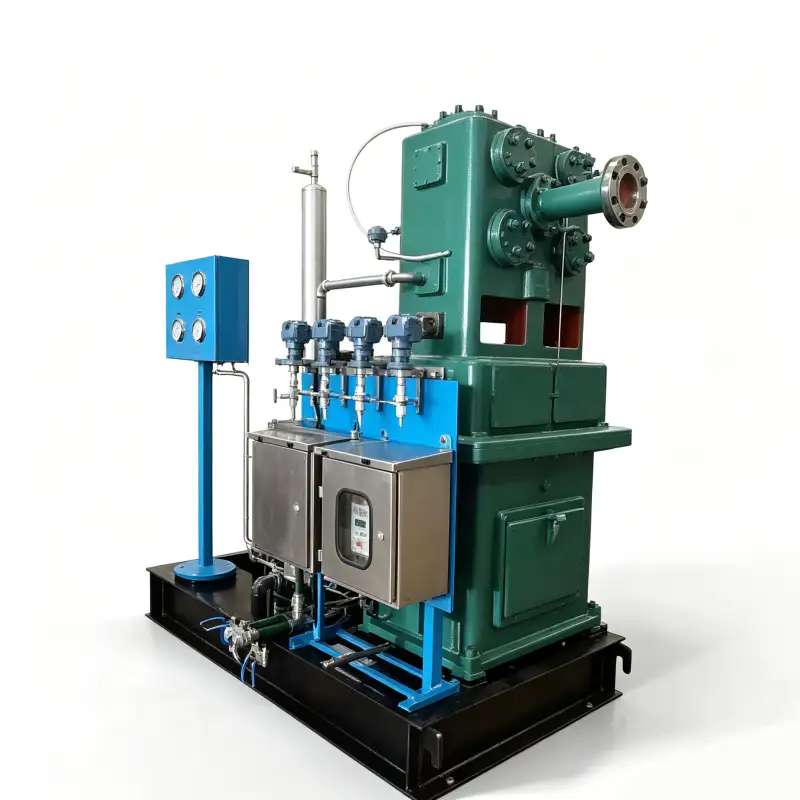
ضواغط المرحلة الأولية لوحدة فصل الهواء لإنتاج الأكسجين وتوزيعه في محطات امتزاز الضغط المتأرجح (PSA) بضغط يتراوح بين 2 و8 بار. تتوفر بتكوينات أحادية وثنائية المرحلة. نطاق الطاقة من 11 كيلوواط إلى 1200 كيلوواط، مما يغطي أوسع نطاق تدفق في مجموعتنا.
معززات هندسية عالية الجودة لوحدات فصل الهواء الكبيرة ومشاريع الهندسة والمشتريات والإنشاء. تتوفر وحدات مثبتة على قاعدة. متوافقة مع معيار API 618. نقبل ضغط دخول مخصص - بما في ذلك التعزيز من خط أكسجين مضغوط مسبقًا عند 0.17 ميجا باسكال أو أعلى.
نفس المنصة الهندسية المستخدمة في سلسلة تعبئة أسطوانات الأكسجين لدينا. متوفر لتعبئة أسطوانات النيتروجين (N₂) والهيدروجين (H₂) حتى ضغط 150 أو 165 بار. نظام تزييت خالٍ من الزيت بالكامل. لا يوجد خطر لتلوث الزيت في التطبيقات التي تتطلب نقاءً عالياً للغاز.
اعثر على الضاغط المناسب لك
اختر نوع الغاز والتطبيق ومعدل التدفق المطلوب. سيحدد نظام الاختيار لدينا فئة المنتج المناسبة ونطاق الطرازات وفقًا لمواصفاتك.
موثوق به في ستة قطاعات رئيسية
تختلف متطلبات ضغط الأكسجين اختلافًا كبيرًا بين الصناعات. لكل تطبيق ظروف دخول وضغط خروج ومتطلبات دورة تشغيل خاصة به. استكشف المزيد دليل التقديم الكامل للاطلاع على كيفية تحديد مواصفات ضواغطنا لقطاعك.
تُنتج مولدات الأكسجين بتقنية امتزاز الضغط المتأرجح (PSA) عادةً ضغطًا يتراوح بين 4 و6 بار. أما ضواغط التعزيز الخالية من الزيت لدينا فترفع هذا الضغط إلى ما بين 150 و165 بار لتعبئة الأسطوانات، مما يضمن إمدادًا متوافقًا مع معايير الغازات الطبية للمستشفيات ومرافق الرعاية الصحية.
تتطلب صناعة الصلب باستخدام المحولات، وإثراء أفران الصهر بالأكسجين، والمعالجة الحرارية للمعادن، أكسجينًا عالي الضغط موثوقًا به عند 30-35 بار ومعدلات تدفق تصل إلى 100 متر مكعب/دقيقة. وتتحمل سلسلتا DW و4MW أكبر الأحمال الصناعية.
يُحسّن الاحتراق بالأكسجين والوقود في أفران الزجاج درجة حرارة اللهب، ويُقلل استهلاك الوقود بنسبة تصل إلى 30%، ويُخفض انبعاثات أكاسيد النيتروجين. يتم توفير الأكسجين بضغط متوسط يتراوح بين 10 و16 بار في دورة تشغيل مستمرة.
يحتاج موزعو الغاز ومحطات التعبئة إلى إنتاج مستمر عالي الضغط لتعبئة أسطوانات الأكسجين والنيتروجين والهيدروجين بكفاءة وأمان على مدار الساعة. وتُعدّ تكاليف الصيانة المنخفضة عاملاً حاسماً لتحقيق الربحية.
تعتمد أنظمة الاستزراع المائي المعاد تدويرها عالية الكثافة على إمداد مستمر وموثوق بالأكسجين. ويساهم توليد الأكسجين بتقنية امتزاز الضغط المتأرجح (PSA) في الموقع، بالإضافة إلى معززات الضغط المنخفض لدينا، في التخلص من الاعتماد على توصيل الأسطوانات.
تتطلب مفاعلات الأكسدة ووحدات الأكسدة الجزئية وعمليات معالجة غازات النفايات أكسجينًا مستقرًا بضغط متوسط إلى عالٍ وبمعدلات تدفق مخصصة. تتوفر تصاميم API 618 للتركيب في المناطق الخطرة.
لماذا تقنية التردد الخالية من الزيت
المزايا التقنية المهمة لتطبيقات الأكسجين - حيث لا يُعد تلوث مواد التشحيم مجرد إزعاج، بل يُشكل خطرًا على السلامة. استكشف الخلفية التقنية الكاملة على موقعنا الإلكتروني. صفحة الشركة والتصنيع.
تبقى تجاويف الأسطوانات خالية من الزيت طوال عملية الضغط. ولا يتطلب الأمر سوى تطبيق واحد للشحم سنويًا على نقاط التحميل الخارجية. ويتوافق الأكسجين الناتج مع متطلبات نقاء معيار ISO 8573-1 للتطبيقات الطبية والصناعية، فلا حاجة إلى مُجمِّع زيت لاحق.
متوسط سرعة التشغيل 260-350 دورة في الدقيقة، وهي أقل بكثير من ضواغط اللولب المحقونة بالزيت التي تعمل بسرعة تزيد عن 3000 دورة في الدقيقة. يساهم انخفاض التآكل الميكانيكي في إطالة متوسط الفترة الزمنية بين عمليات الصيانة إلى أكثر من 25000 ساعة تشغيل في سلسلة ZW وLW وDW. كما يقلل من حالات التوقف غير المخطط لها، ويخفض تكلفة الصيانة على المدى الطويل.
تغطي التكوينات من مرحلتين إلى خمس مراحل ضغوط مخرج تتراوح من 0.20 ميجا باسكال (إمداد منخفض الضغط) إلى 32 ميجا باسكال (تعبئة أسطوانات عالية الضغط)، كل ذلك ضمن منصة منتج واحدة. لا حاجة للتوريد من موردين متعددين لتلبية متطلبات الضغط المختلفة في منشأتك.
كل وحدة مزودة بنظام إيقاف تشغيل عند انخفاض ضغط المدخل، وصمام تخفيف الضغط الزائد عند المخرج، وجهاز إنذار لدرجة الحرارة بين المراحل، ونظام إيقاف تلقائي. مصممة للتشغيل المستمر على مدار 24 ساعة دون مراقبة، مع إمكانية التحكم بواسطة وحدة تحكم منطقية قابلة للبرمجة (PLC) وإمكانية المراقبة عن بُعد عند الطلب.
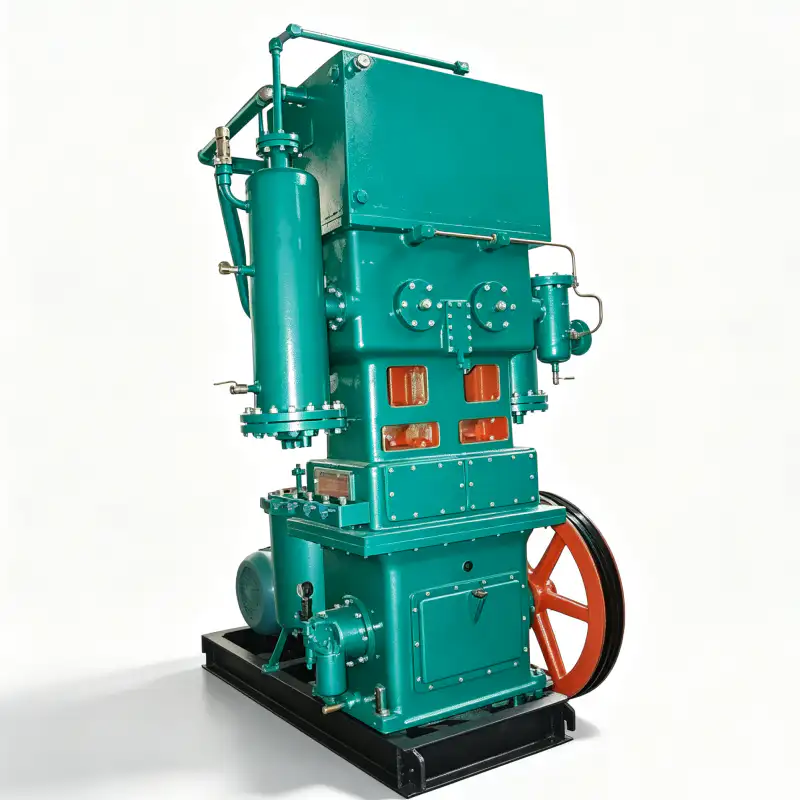
القدرات التصنيعية والشهادات
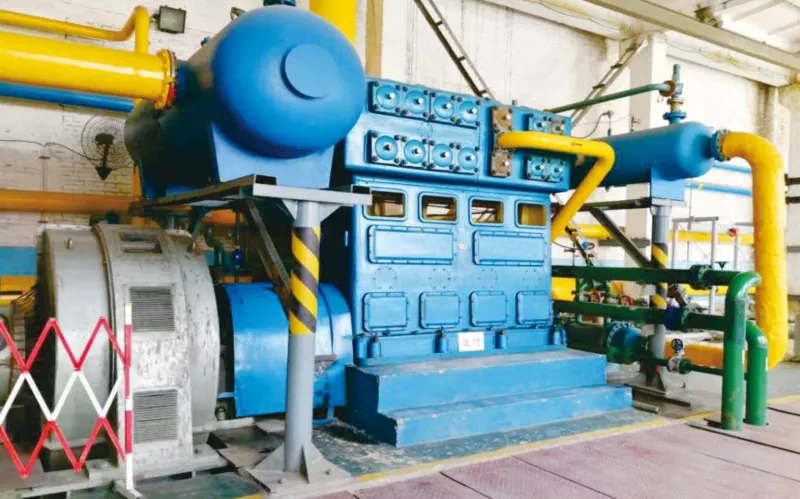
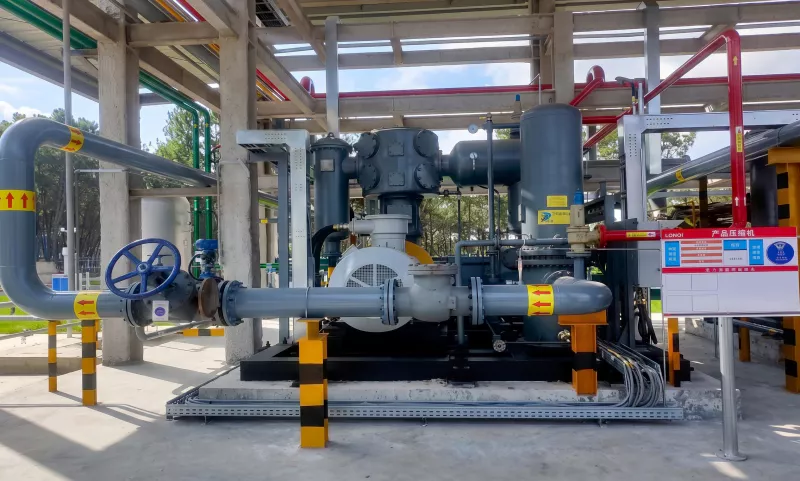
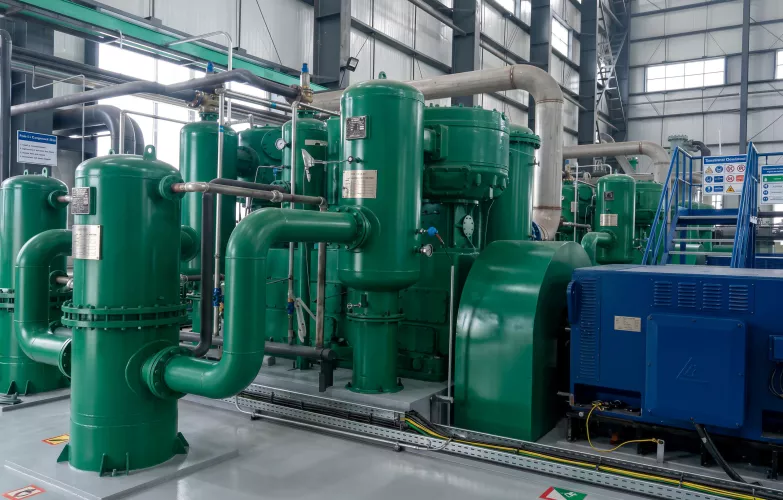
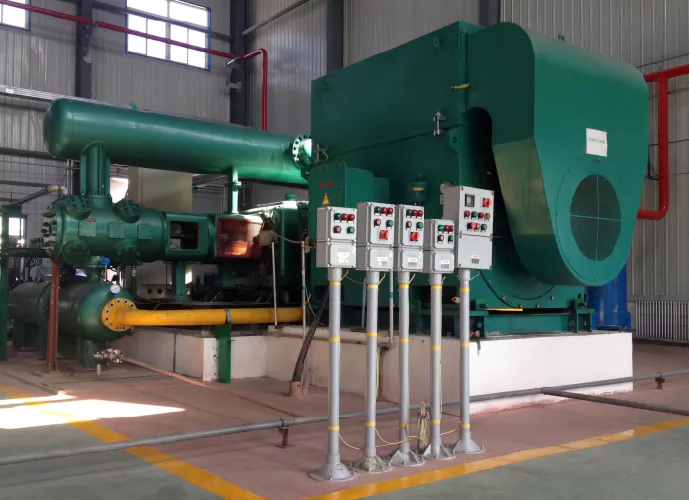
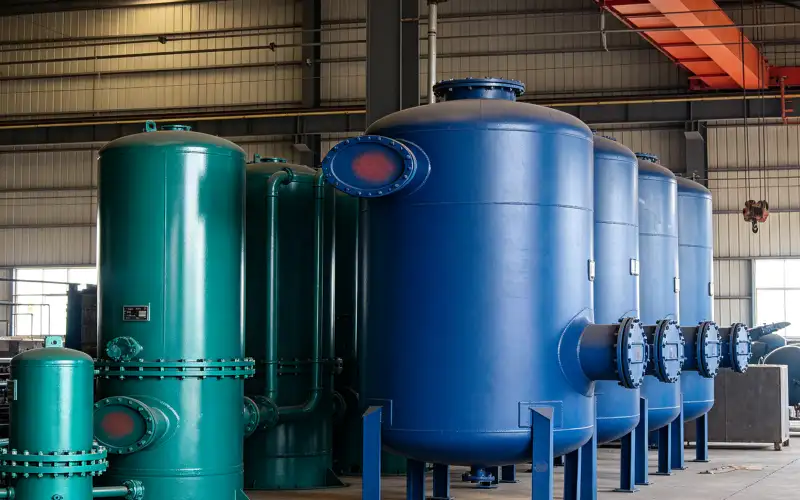
مدعومة بخبرة عقود في تصنيع ضواغط الغاز الصناعية، تدير منشأة إنتاج مجهزة بالكامل مع أقسام داخلية للصب والتشكيل واختبار الضغط. تخضع كل وحدة لاختبار الضغط الهيدروستاتيكي والتحقق من الأداء قبل الشحن.
شهادة النظام
لخدمات صناعة الغاز
للأسواق التصديرية
عضو في الجمعية
ضواغط معززات الأكسجين: دليل المواصفات
ما يحتاج المهندسون ومديرو المشتريات إلى معرفته قبل تحديد ضاغط معزز الأكسجين - من اختيار التكنولوجيا إلى تكوين مرحلة الضغط.
ما هو ضاغط معزز الأكسجين؟
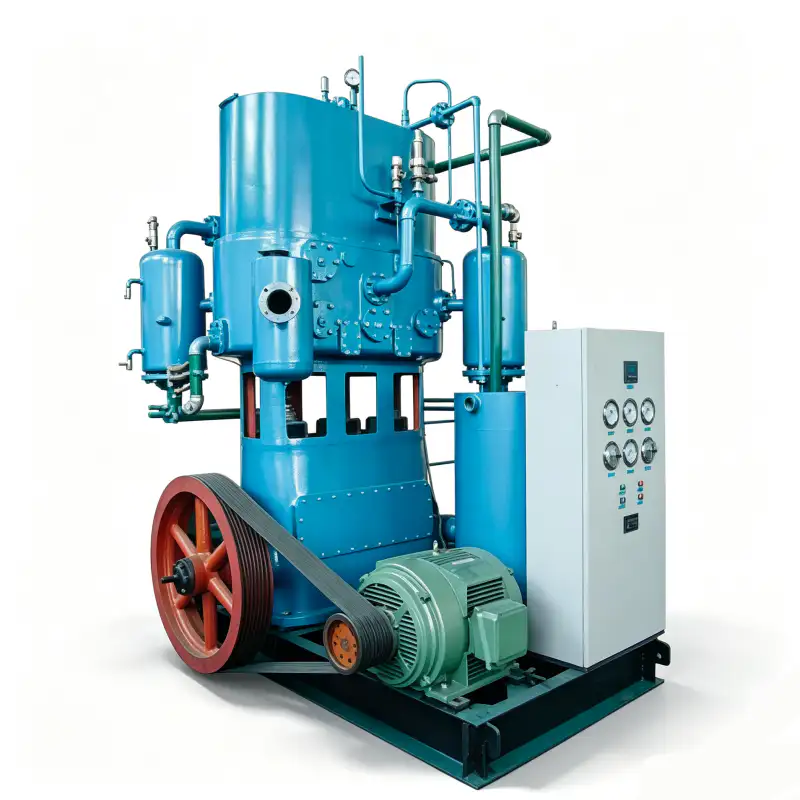
ضاغط معزز الأكسجين هو آلة ترددية ترفع ضغط تيار الأكسجين من ضغط دخول منخفض إلى ضغط خروج أعلى، وهو الضغط المطلوب للعملية أو نظام التخزين في المراحل اللاحقة. مصدر الغاز - عادةً مولد أكسجين بتقنية امتزاز الضغط المتأرجح (PSA)، أو وحدة امتزاز الضغط المتأرجح المتغير الضغط (VPSA)، أو مبخر أكسجين سائل - يكون قد قام بالفعل بعملية الضغط الأولية. يأخذ المعزز هذا الغاز ويرفع ضغطه أكثر.
التطبيقات الأكثر شيوعًا هي محطات تعبئة أسطوانات الأكسجين (0.1-0.5 ميجا باسكال مدخل إلى 15.0-16.5 ميجا باسكال ضغط الأسطوانة)؛ وخطوط أنابيب الأكسجين لصناعة الصلب (3.0-3.5 ميجا باسكال)؛ وأنظمة احتراق الوقود الأكسجيني لأفران الزجاج (1.0-1.6 ميجا باسكال).
لماذا يجب أن يكون الضاغط خالياً من الزيت
يتفاعل الأكسجين المضغوط مع مواد التشحيم الهيدروكربونية بقوة شديدة. عند الضغوط ودرجات الحرارة المرتفعة داخل أسطوانة الضغط، حتى كميات صغيرة من الزيت المعدني قد تشتعل تلقائيًا. تعمل ضواغط الترددية الخالية من الزيت على إزالة مواد التشحيم من منطقة الضغط تمامًا - حيث تدور المكابس على حلقات توجيه مصنوعة من مركب PTFE؛ ولا تحتاج جدران الأسطوانة إلى تشحيم. يفي الناتج بمتطلبات زيت الفئة 0 وفقًا لمعيار ISO 8573-1 دون الحاجة إلى أي مرشح لاحق.
تكوين مرحلة الضغط
يجب ألا تتجاوز نسبة كل مرحلة ضغط 3.5-4:1 تقريبًا. بالنسبة للأكسجين (نسبة الحرارة النوعية γ ≈ 1.4)، فإن هذا يحد من ارتفاع درجة الحرارة لكل مرحلة إلى أقل من 160 درجة مئوية في الخدمة الصناعية العادية.
| مراحل | ضغط المخرج | التطبيق النموذجي |
|---|---|---|
| مرحلتان | 0.20 – 0.80 ميجا باسكال | توزيع PSA، مخرجات جامعة ولاية أريزونا |
| ثلاث مراحل | 3.0 – 3.5 ميجا باسكال | خط أنابيب مصنع الصلب، محول فرن الأكسجين القاعدي |
| أربع مراحل | 10 – 15.0 ميجا باسكال | تعبئة الأسطوانات (سعة كبيرة) |
| خمس مراحل | 15.0 – 16.5 ميجا باسكال | تعبئة الأسطوانات (سلسلة ZW المدمجة) |
يتم تركيب مبادلات حرارية مبردة بالماء بين المراحل مع فواصل للرطوبة بين كل مرحلة في جميع الطرازات التي تزيد قدرتها عن 18.5 كيلوواط. تصريف المكثفات تلقائي.
كيفية تحديد مواصفات ضاغط معزز الأكسجين
عند الاستفسار، فإن تقديم المعلومات التالية يسمح لنا بتقديم توصية فنية كاملة:
- نوع الغاز ونقاوته (طبي أو صناعي؛ ملوثات ضئيلة)
- ضغط المدخل - الحد الأدنى والحد الأقصى (يختلف ناتج امتزاز الضغط المتأرجح باختلاف دورة التجديد)
- ضغط المخرج المطلوب - في حالة الاستقرار والذروة
- معدل التدفق بوحدة متر مكعب/ساعة أو متر مكعب/دقيقة عند ظروف المدخل (حدد بوضوح)
- دورة التشغيل: مستمرة على مدار 24 ساعة، أو متقطعة، أو موسمية
- وسيط التبريد: درجة حرارة/ضغط الماء أو التبريد بالهواء (يفضل)
- مصدر الطاقة: الجهد، التردد، تيار العطل المتاح
- التركيب: داخلي/خارجي، الارتفاع، نطاق درجة الحرارة المحيطة
- المعايير المطبقة: API 618، قانون أوعية الضغط المحلي، تصنيف المنطقة
تكامل نظام إدارة الأداء - اعتبار رئيسي
يُنصح بشدة باستخدام خزان وسيط بين نظام امتزاز الضغط المتأرجح (PSA) ومضخة التعزيز. يجب أن يكون حجم الخزان مناسبًا لسعة تدفق الضاغط لمدة لا تقل عن 10-15 دقيقة. يحمي نظام قطع الضغط المنخفض عند مدخل مضخة التعزيز الجهاز في حال انخفض خرج نظام امتزاز الضغط المتأرجح (PSA) عن الحد الأدنى الآمن لضغط المدخل.
150 بار مقابل 165 بار ومشتريات الهندسة والمشتريات والإنشاء
اختيار ضغط تعبئة الأسطوانة
يبلغ ضغط التعبئة الأكثر شيوعًا لأسطوانات الغاز الصناعية من النوع T في أوروبا وآسيا 150 بار (15.0 ميجا باسكال) عند درجة حرارة 15 درجة مئوية. في بعض الأسواق، يُفضل استخدام ضغط 165 بار (16.5 ميجا باسكال) لزيادة محتوى الغاز في كل أسطوانة. تشمل سلسلة ZW الخاصة بنا كلا النوعين: حيث تشترك النسختان /150 و/165 في نفس الهيكل، ويختلفان فقط في نسب المراحل وتصميم المرحلة النهائية.
المشاريع الصناعية الكبيرة وعمليات الشراء بنظام الهندسة والمشتريات والإنشاء
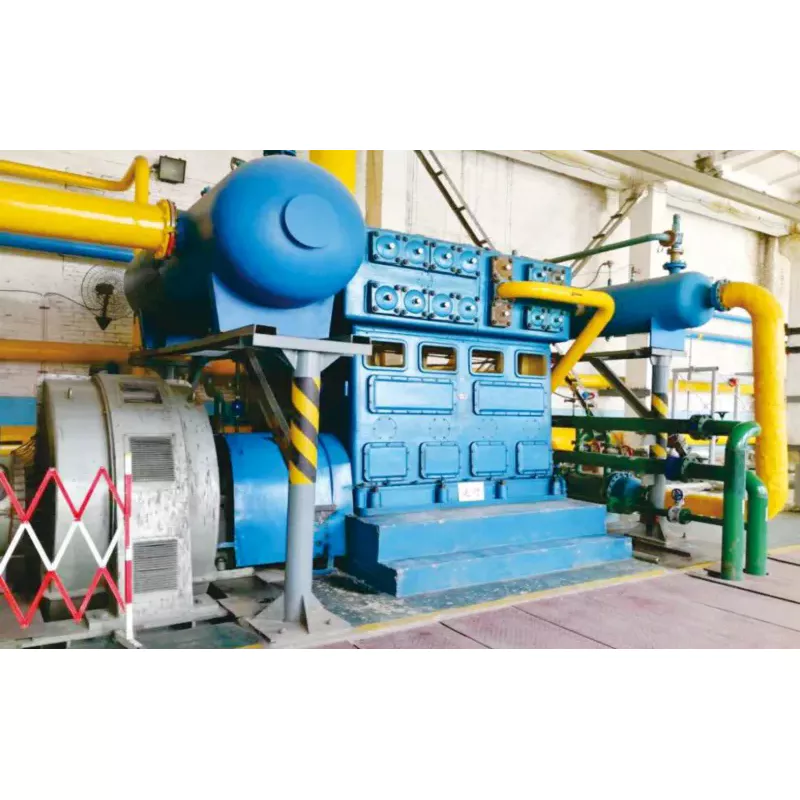
لدمج وحدة فصل الهواء وتزويد مصانع الصلب بالأكسجين، يتم تحديد مواصفات الضاغط وفقًا لبيانات عملية API 618 الإصدار الخامس. نوفر وحدات مُجمّعة بالكامل على قاعدة واحدة - تشمل الضاغط، والمحرك، ومبردات بين المراحل، والفواصل، وأجهزة القياس، ولوحة التحكم، وأنابيب التوصيل - مما يقلل وقت التركيب في الموقع. تتوفر تكوينات مقاومة للانفجار ومتوافقة مع معايير ATEX.
الصيانة والتكلفة الإجمالية للملكية
تُهيمن تكلفة الطاقة (60-80%) والصيانة (15-30%) على التكلفة الإجمالية للمحرك. لا تتطلب التصاميم الترددية الخالية من الزيت تغيير الزيت، ولا عناصر ترشيح الزيت، ولا خراطيش الفصل. أما المواد الاستهلاكية الرئيسية فهي حلقات المكابس (بفاصل زمني يتراوح بين 15000 و25000 ساعة) وصفائح الصمامات (بفاصل زمني يتراوح بين 8000 و12000 ساعة). استكشف المزيد كتالوج المنتجات الكامل أو اتصل بنا لإجراء تحليل مقارن.
الأسئلة الشائعة
صُمم ضاغط معزز الأكسجين خصيصًا للعمل مع الأكسجين النقي. وتتمثل الاختلافات الرئيسية فيما يلي: (1) ضغط خالٍ من الزيت بالكامل - حيث أن زيت التشحيم والأكسجين غير متوافقين عند الضغط نظرًا لخطر الاحتراق؛ (2) اختيار مواد متوافقة مع بيئة الأكسجين (تجنب سبائك الألومنيوم، وبعض أنواع البلاستيك، وسبائك النحاس بتركيزات عالية)؛ (3) معايير نظافة الأسطح الداخلية - حيث تُزال الشحوم من جميع الأسطح الملامسة للسائل وتُنظف وفقًا لمعايير بيئة الأكسجين قبل التجميع؛ (4) هوامش تصميم متحفظة للضغط ودرجة الحرارة. لا يمكن إعادة استخدام ضاغط هواء عادي بأمان للعمل مع الأكسجين.
نعم. تقبل سلسلة ZW وLW وDW لدينا ضغوط دخول تبدأ من الضغط الجوي (حوالي 0.1 ميجا باسكال مطلق) فما فوق. عادةً ما تُخرج مولدات الأكسجين بتقنية امتزاز الضغط المتأرجح (PSA) ضغطًا يتراوح بين 0.3 و0.6 ميجا باسكال. نوصي بتركيب خزان وسيط بين وحدة امتزاز الضغط المتأرجح (PSA) ومضخة التعزيز لتخفيف تقلبات الضغط أثناء دورة تجديد وحدة امتزاز الضغط المتأرجح (PSA). يضمن نظام إيقاف التشغيل التلقائي عند انخفاض ضغط مدخل مضخة التعزيز توقف الجهاز بأمان إذا انخفض خرج وحدة امتزاز الضغط المتأرجح (PSA) عن الحد الأدنى المقبول لضغط المدخل.
صُممت ضواغطنا وصُنعت وفقًا لمعيار API 618 (ضواغط ترددية لخدمات صناعات البترول والكيماويات والغاز). يحمل مصنعنا شهادة إدارة الجودة ISO 9001. كما تتوفر علامة CE للأسواق الأوروبية. تُصنع مكونات أوعية الضغط وتُختبر وفقًا لمعايير أوعية الضغط الوطنية ذات الصلة. للمشاريع التي تتطلب شهادات إقليمية محددة، يُرجى مناقشة متطلباتكم مع فريقنا الهندسي قبل تقديم الطلب.
صُممت سلسلة ZW وLW وDW لدينا بحيث تتطلب الحد الأدنى من الصيانة الدورية. يكفي تشحيم المحامل الخارجية مرة واحدة سنويًا. تُعدّ صفائح الصمامات وحلقات المكابس المكونات الأكثر عرضة للتآكل؛ وتعتمد فترات الفحص على ساعات التشغيل وظروف الغاز، ولكنها تتراوح عادةً بين 8000 و12000 ساعة تشغيل لفحص الصمامات، وبين 15000 و25000 ساعة لاستبدال حلقات المكابس. لا حاجة لتغيير الزيت، ولا توجد عناصر لفلترة الزيت، ولا خراطيش لفصل الزيت، مما يُلغي بنود الصيانة الأكثر تكرارًا في ضواغط حقن الزيت.
نعم. بالنسبة للمشاريع الصناعية الكبيرة ومشاريع الهندسة والمشتريات والإنشاء، نوفر وحدات مُجمّعة بالكامل على منصات انزلاقية، تشمل الضاغط، ومحرك التشغيل، ومبردات ما بين المراحل، وفواصل الرطوبة، وأنابيب العمليات والمرافق، وأجهزة القياس والسلامة، ولوحة تحكم تعتمد على وحدة تحكم منطقية قابلة للبرمجة (PLC) مع واجهة مستخدم رسومية محلية (HMI). يتم تجميع الوحدة في المصنع، واختبار ضغطها وأدائها قبل الشحن، مما يقلل وقت التركيب في الموقع. تتوفر تكوينات مقاومة للانفجار ومتوافقة مع معايير ATEX للمناطق الخطرة. تواصلوا معنا وأرسلوا لنا بيانات مشروعكم للحصول على عرض فني وتجاري.
تواصل معنا
مهندسونا على استعداد لمناقشة متطلبات ضغط الأكسجين الخاصة بك - ظروف المدخل، وضغط المخرج، ومعدل التدفق، ونقاء الغاز، والامتثال للمعايير، وأي قيود خاصة بالتركيب.
للحصول على المواصفات، واختيار الطراز، ومطابقة ضغط المدخل/المخرج، وطلبات الهندسة المخصصة، شاركنا بيانات العملية الخاصة بك وسنرد عليك بتوصية فنية.
[email protected]أخبرنا بضغط المخرج المطلوب، ومعدل التدفق، وظروف المدخل، ونوع الغاز. سنُعدّ عرضًا فنيًا وتجاريًا مفصلاً مُصممًا خصيصًا لمشروعك. جميع الاستفسارات تُعامل بسرية تامة.
افتح نموذج الاستفسار →نصنع منتجاتنا وفقًا لمعيار API 618 والمعايير الوطنية ذات الصلة. جميع الضواغط متوفرة بتكوينات مخصصة لضغط المدخل وضغط المخرج ومعدل التدفق. كما تتوفر لدينا وحدات تركيب مخصصة على قواعد انزلاقية لمشاريع الهندسة والمشتريات والإنشاء.