From 2 Bar to 165 Bar — One Manufacturer
Select the pressure range that matches your application to go directly to the right product category. All series share the same oil-free reciprocating platform and are compatible with oxygen, nitrogen and hydrogen service.
O₂ · N₂ · H₂
Steel mills · Chemical
Laser cutting · Glass furnace
PSA distribution · Air separation
Browse by Application & Pressure
Each product category covers a distinct pressure range and application group. If you are unsure which range applies to your process, our engineering team can advise based on your inlet conditions, required outlet pressure and flow rate.
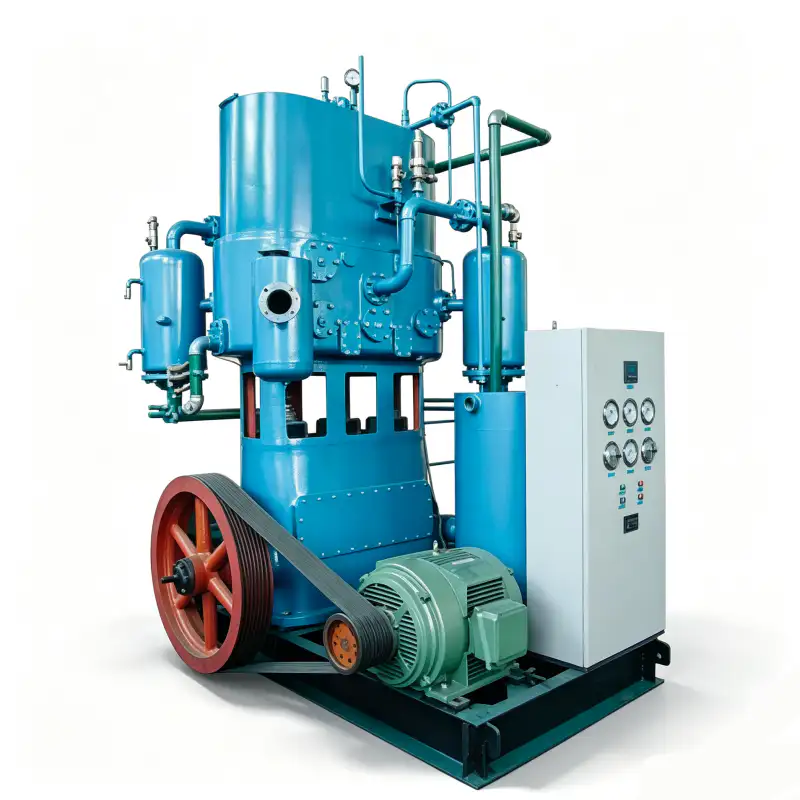
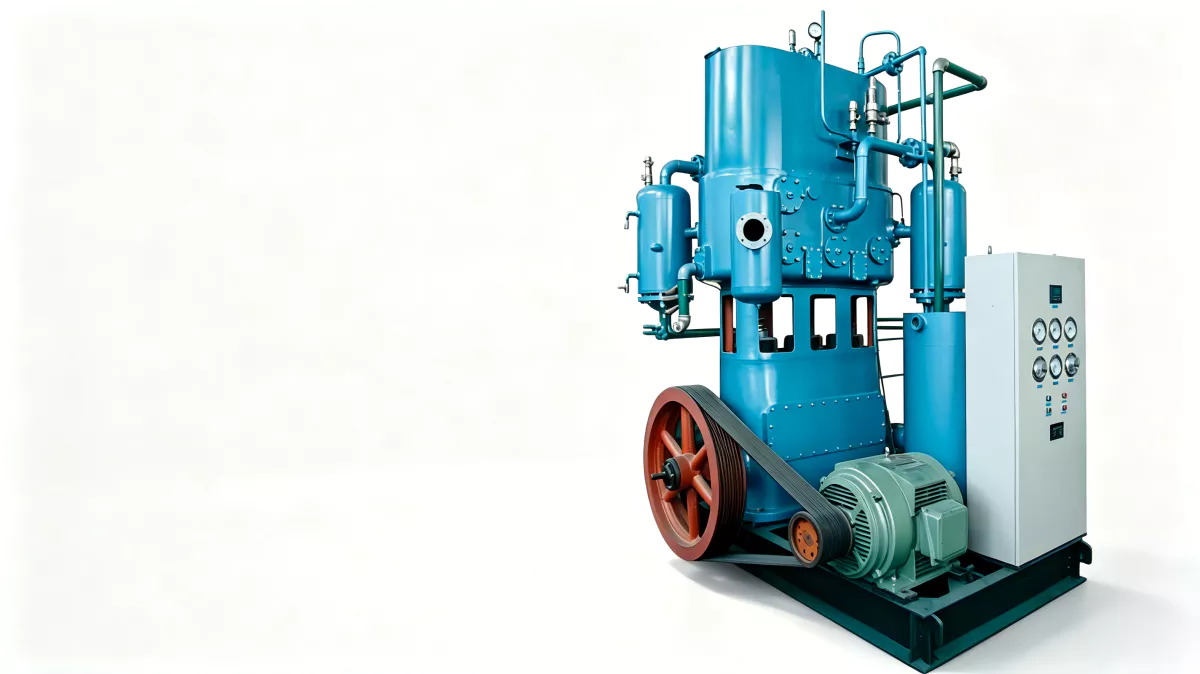
Compresseur de remplissage de bouteilles d'oxygène
Oil-free reciprocating compressors for boosting PSA or vaporised liquid oxygen to cylinder filling pressure. Multi-stage compression with inter-stage cooling. Annual maintenance only — no oil changes, no oil filter elements.
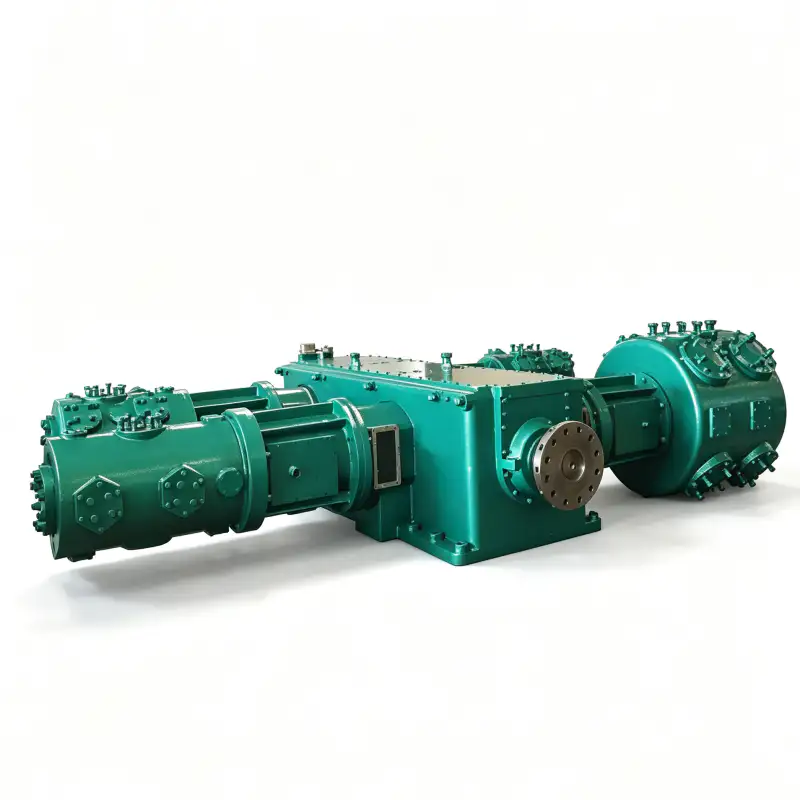
Compresseur surpresseur d'oxygène haute pression
For steel mills, glass furnaces and large-scale chemical oxygen pipelines at 3.0 – 3.2 MPa. Two configuration families: B1 (380V, 4 – 20 m³/min) for standard industrial sites, and B2 (6kV / 10kV, 33 – 100 m³/min) for large EPC projects with high-voltage power supply.
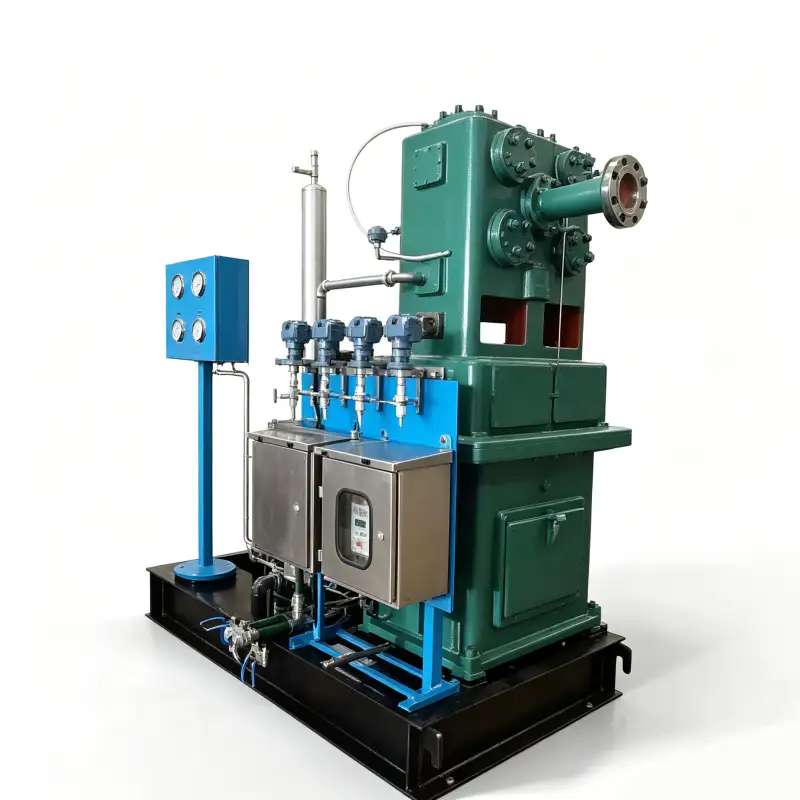
Compresseur d'oxygène à moyenne pression
Covers 10 bar, 12 bar, 15 bar and 16 bar outlet pressure — every model on standard 380V. No high-voltage transformer needed. Lightest model at 1.8 tonnes for forklift installation. Designed for laser cutting oxygen assist, glass oxy-fuel combustion, wastewater oxygenation and PSA distribution headers.
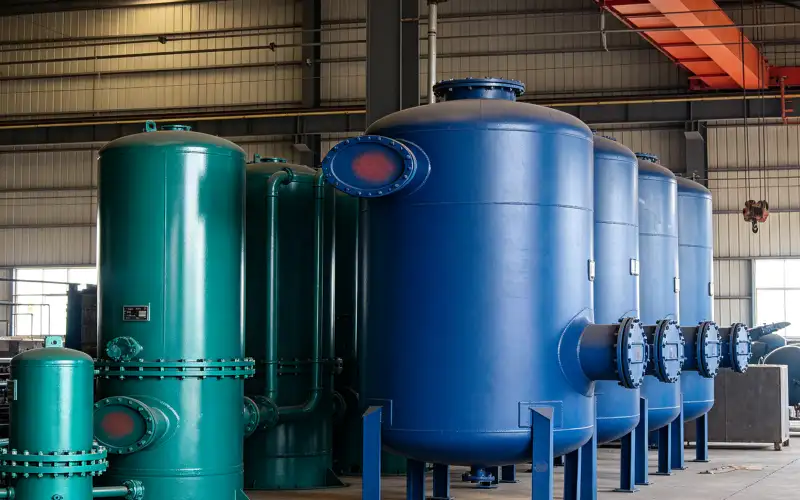
Compresseur d'oxygène basse pression
Primary-stage compressors for air separation unit oxygen output and PSA plant distribution at 0.20 – 0.80 MPa. Widest flow range in the portfolio — single-stage models from 0.7 m³/min and two-stage units up to 150 m³/min. Power range 11 kW to 1,200 kW. Covers blast furnace oxygen enrichment and large-scale PSA distribution ring mains.
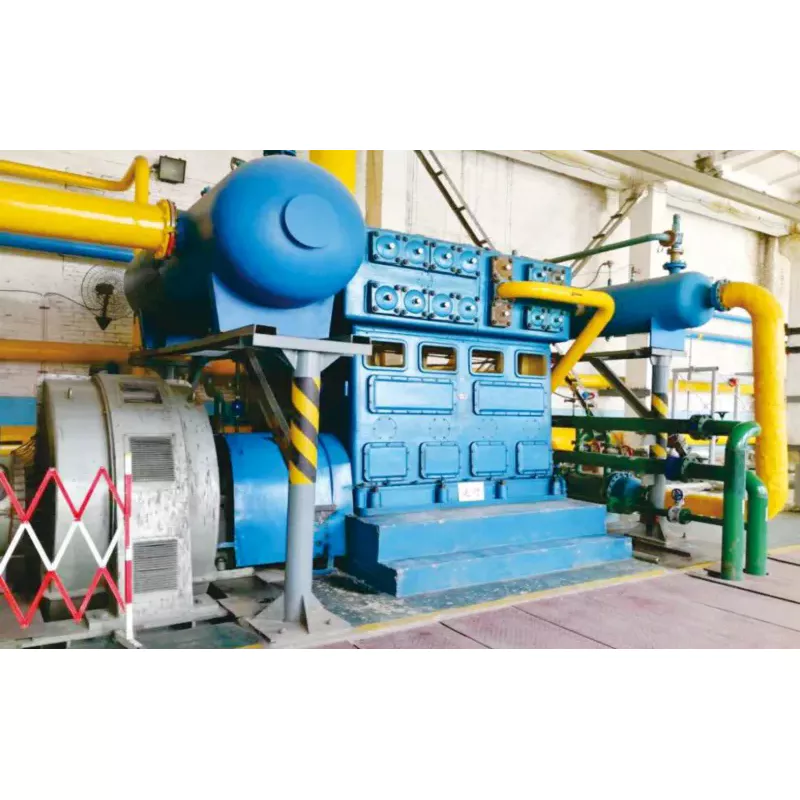
Large-Scale Oxygen & Nitrogen Booster for Air Separation
Engineering-grade reciprocating boosters for large cryogenic air separation units and EPC projects. Supplied against process data sheet — motor power, cooling configuration and documentation package are all determined by your ASU process specification. API 618 design throughout.
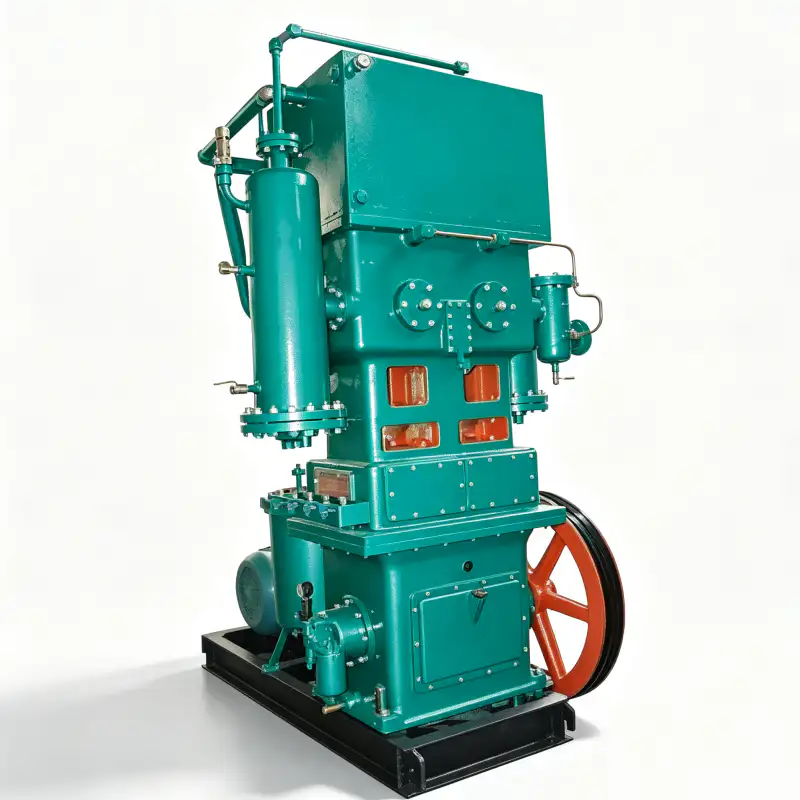
Nitrogen and Hydrogen Cylinder Filling Compressor
Same ZW oil-free reciprocating platform as the oxygen filling series. Available for nitrogen (150 bar / 165 bar) and hydrogen (150 bar) cylinder filling. Oil-free compression zone throughout — PTFE piston rings, no oil in the gas stream. Nitrogen has 150 bar and 165 bar pressure options; hydrogen range uses oil-free design as standard.
Trusted Across Key Industrial Sectors
Oxygen compression requirements differ significantly between industries. Every application has distinct inlet conditions, required outlet pressure and duty-cycle demands. Browse by sector to identify the right product range for your operation.
PSA oxygen generators output at 4 – 6 bar. Oil-free booster compressors raise this to 150 – 165 bar for T-type cylinder filling, ensuring compliant medical-grade gas supply to hospitals, clinics and home oxygen distribution networks.
BOF converter steelmaking, blast furnace oxygen enrichment and electric arc furnace operations demand reliable high-pressure oxygen at 30 – 35 bar and continuous flow rates up to 100 m³/min. DW and 4MW configurations handle the largest industrial loads.
Oxy-fuel combustion in glass tank furnaces improves flame temperature, reduces fuel consumption by up to 30% and cuts NOx emissions significantly. Medium-pressure oxygen at 10 – 16 bar on a continuous-duty cycle. All models run on standard 380V — no high-voltage supply needed.
Oxygen assist gas in fibre laser cutting of carbon steel triggers an exothermic oxidation reaction that increases cut speed and thick-plate capability. Required pressure: 0.6 – 1.5 MPa at the machine head. From a single machine head to a cutting centre with 10 or more simultaneous heads.
Partial oxidation (POX) syngas production, oxy-chlorination reactors and large-scale chemical oxygen pipelines require precise delivery pressure and continuous high reliability. EPC contractors specify these units to API 618 against formal process data sheets.
Industrial gas companies filling T-type cylinders (40 L, 150 bar) for distribution to welding, food processing and laboratory customers. Nitrogen and hydrogen cylinder filling alongside oxygen, all on the same ZW platform. Throughput from 60 Nm³/h to 300 Nm³/h per compressor unit.
Why Oil-Free Reciprocating Compression
Oil contamination in oxygen is not merely a product quality issue — at high pressure, mineral oil in contact with pure oxygen can ignite spontaneously through adiabatic compression. This is why every credible standard governing oxygen compression mandates oil-free design throughout the gas-contact compression path, without exception.
PTFE (polytetrafluoroethylene) self-lubricating piston rings run dry against the cylinder bore at every stage. The crankcase remains conventionally oil-lubricated, but is physically separated from the compression zone by a distance piece vented to atmosphere. This design is what makes the compression genuinely oil-free in the gas path rather than merely low-oil.
For nitrogen and hydrogen filling, the same oil-free design eliminates contamination that would degrade downstream gas purity — particularly critical for fuel cell hydrogen, laser cutting assist gas and medical-grade nitrogen supply. Explore the oil-free cylinder filling compressor range to see how this applies across the full pressure spectrum.
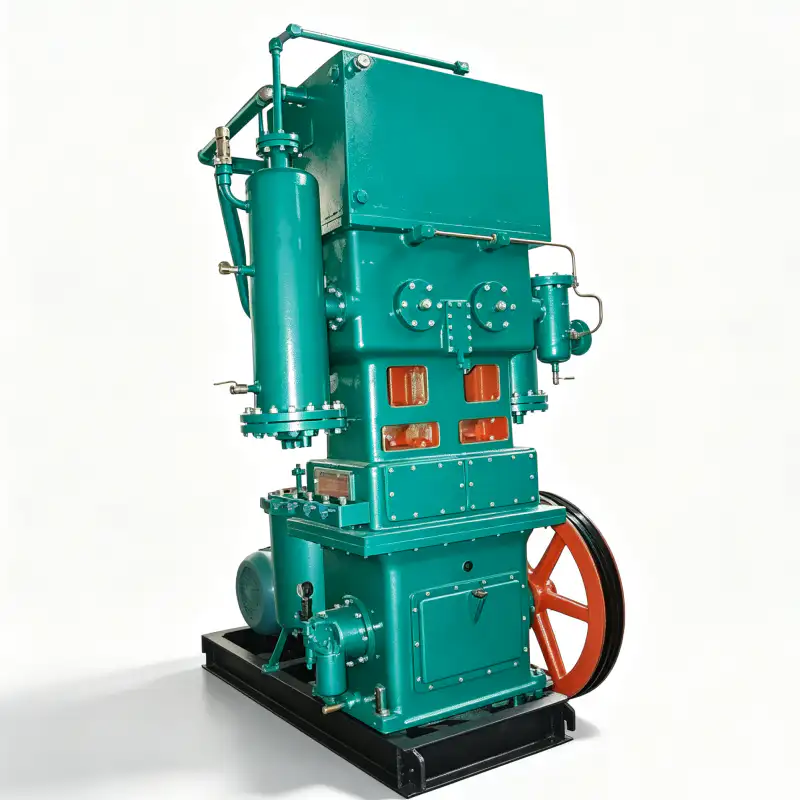
GB 16912, EN 13445 and major industrial gas company equipment guidelines all mandate oil-free design in oxygen compression. There is no permissible grade or exception — any machine filling oxygen cylinders must have an oil-free compression zone.
No oil changes. No oil filter replacements. No oil mist separator elements. Maintenance is limited to annual piston ring and valve seat inspection, with replacement intervals driven by running hours and inlet gas dryness — not oil degradation.
Oil-free compression eliminates oil contamination at source. No downstream coalescer filter can fully remove oil that has already entered high-pressure gas — the only reliable solution is to prevent introduction in the first place.
Hydrogen purity requirements for fuel cell supply, hydrogenation reactors and calibration gas are typically 99.99% or higher. Oil contamination at even parts-per-million concentrations irreversibly damages catalysts and membrane electrode assemblies.
All cylinder filling and medium-pressure models run on standard 380V/50Hz industrial power. No high-voltage transformer procurement, no HV switchgear, no specialist electrical commissioning. Simplifies site installation across the full small-to-medium capacity range.
From the compact ZW-3/15 (3 m³/min, 380V) through to the 4MW-100/30 (100 m³/min, 1,200 kW), every machine in this portfolio is designed to API 618 and applicable Chinese national standards. Factory performance-tested before shipment.
Factory Capability & Certifications
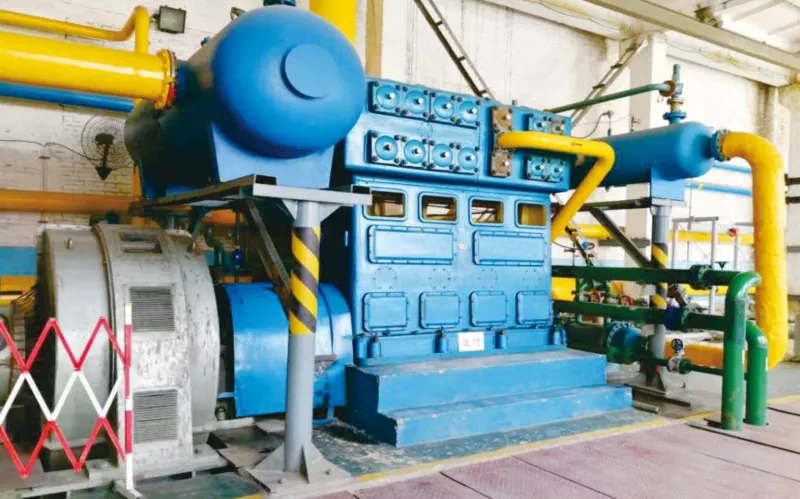
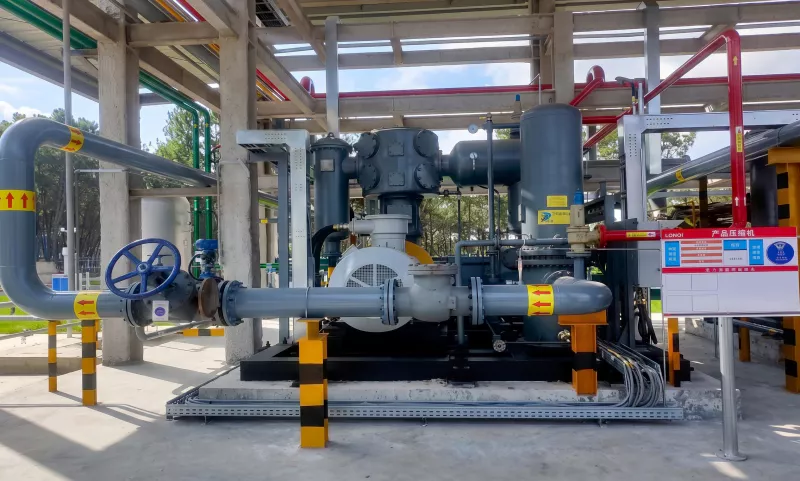
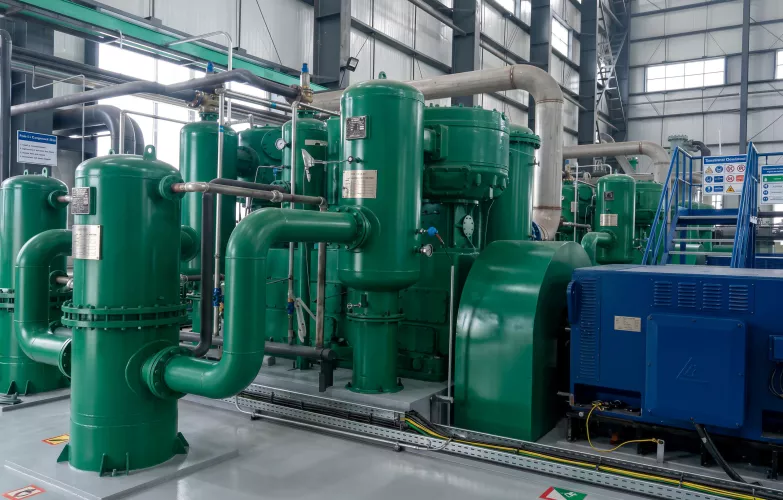
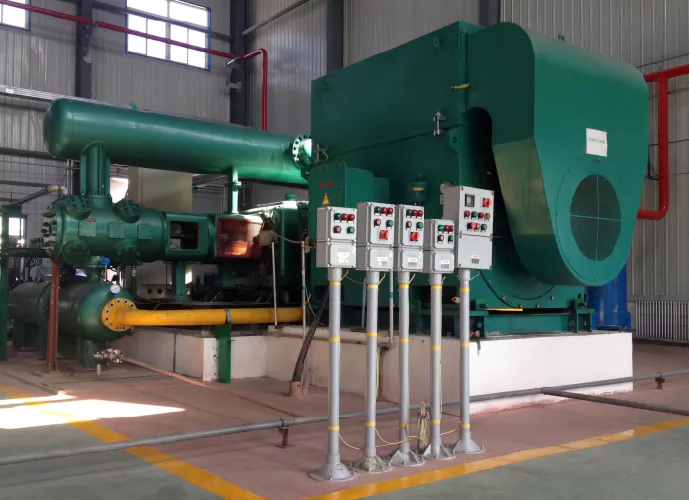
Every unit in this product range is manufactured, assembled, pressure-tested and performance-run at our own production facility before shipment. Factory acceptance testing is available for witnessing. Contact us to discuss your project documentation requirements.
Not Sure Which Product Range Applies to Your Project?
Tell us your gas type, required outlet pressure, flow rate and inlet conditions. We will identify the right product category and model range, and return a dimensional drawing reference and indicative pricing within one business day.